Millions of travelers go through airport security without thinking twice. However, one controversial type of scanner once let security staff see far more than passengers expected.
The machines, known as Rapiscan scanners, were introduced at U.S. airports in 2010 following a failed terrorist attack on a plane traveling to Detroit in December 2009.
The technology was designed to detect weapons and other dangerous objects hidden beneath clothing. However, it soon sparked a major privacy controversy.
“The biggest problem that obviously the TSA had was if [explosives are] body worn and you went through a traditional gate, it would just pick up anything metallic, and there was no means of actually looking at the body intrinsically to find out if there was anything body worn,” Security consultant Will Geddes told LADbible.
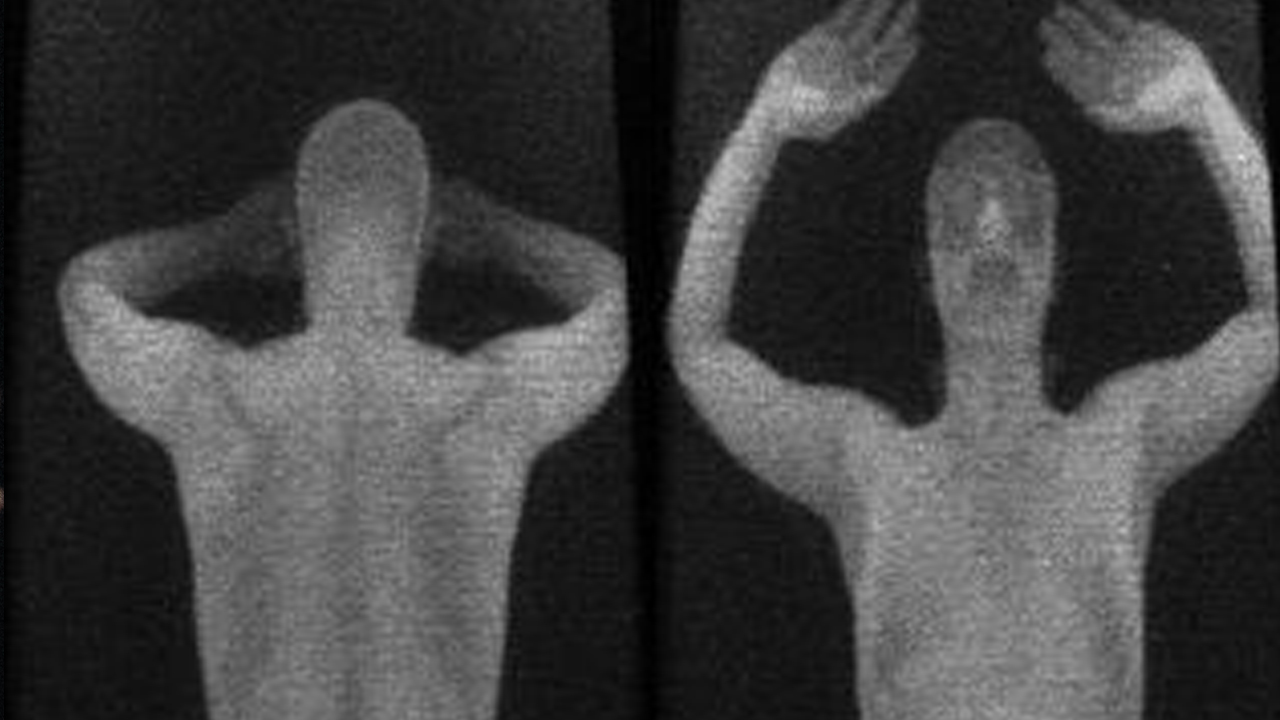
So what would the new scanners see? Well, pretty much everything. Unlike traditional metal detectors, the Rapiscan machines used X-ray technology to produce detailed images of passengers’ bodies beneath their clothes.
Therefore, those images could reveal intimate body parts, including breasts and genitalia, as well as medical devices such as catheters and prosthetics.
But it didn’t take long for organizations to question it. The American Civil Liberties Union (ACLU) strongly criticized the technology, describing it as “a striking and direct invasion of privacy.”
Airports were forced to change X-ray machines
A statement from 2010 read, “It produces strikingly graphic images of passengers’ bodies, essentially taking a naked picture of air passengers as they pass through security checkpoints. It is a virtual strip search that reveals not only our private body parts, but also intimate medical details like colostomy bags. Many people who wear adult diapers feel they will be humiliated.”
It continued, “That degree of examination amounts to a significant assault on the essential dignity of passengers. Some people do not mind being viewed naked but many do and they have a right to have their integrity honored.”
For many travelers, the thought of airport employees seeing such personal details was deeply uncomfortable.
Following the backlash, the Transportation Security Administration (TSA) introduced privacy measures, including software that replaced detailed body images with generic outlines.
Update displayed no detailed images of passengers
However, the controversy continued. In 2013, the TSA gave Rapiscan a deadline to update its software so that the scanners would no longer produce revealing images.
When the company failed to meet the requirements, the agency terminated part of its contract. The agency later removed the machines from US airport security checkpoints.
Today, modern body scanners work differently. They use technology to show possible threats on a basic outline of the body instead of displaying detailed images of passengers.
Still, the incident raised an important question about how much privacy people should have to give up – and get to keep private – when flying.
What do you think of this? Please share your opinion in the comment section on Facebook.
Read more: