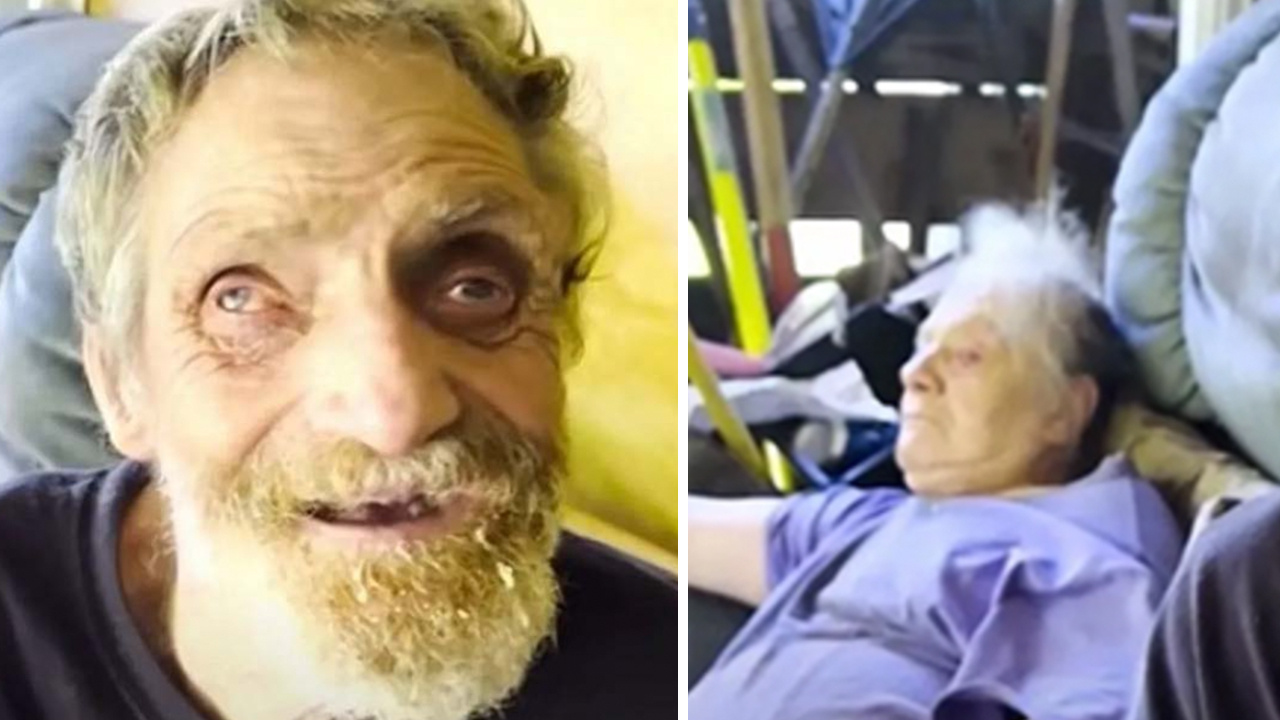
In a remote West Virginia home, members of a family known as “America’s most inbred” bark and grunt to communicate, raising troubling questions about a history of inbreeding stretching back more than a century.
Deep in rural West Virginia, the Whittakers have lived for generations in the tiny community of Odd, largely isolated from the outside world.
Their extraordinary family history drew international attention after photographer Mark Laita introduced them to millions of viewers in his 2020 documentary Inbred Family – The Whittakers.
At the heart of “America’s most inbred family” are siblings Betty, Lorraine and Ray Whittaker, and their cousin Timmy. Their brother Freddie died of a heart attack, while other relatives have remained away from the cameras.
Generations of inbreeding
The family’s complicated ancestry reportedly stretches back to the 1880s, to identical twin brothers Henry and John Whittaker. John married his first cousin, Ada, while Henry married a woman named Sally.
They had nine children, including one girl named Gracie Irene Whittaker, born in 1920. At the same time, Henry had married a woman named Sally. They had seven children, including a boy named John in 1913, and in 1935, cousins John and Gracie married. They had 15 children, with a close genetic connection that may help explain the family’s troubling medical history.
According to a study published in the National Library of Medicine, generations of inbreeding can increase the “risk of severe genetic, physical, and developmental health problems” – and several Whittaker family members live with physical and intellectual disabilities.
Among the most noticeable challenges are difficulties with speech, with some relatives relying on barks, shouts and gestures to communicate.
‘Craziest thing I’d ever seen’
When Laita first visited the Whittakers in 2004, he was struck by their behavior, but getting close enough to document their lives wasn’t easy. A protective neighbor reportedly threatened him with a gun, concerned that the photographer had come to ridicule the family, the New York Post reports.
“It was out of control – the craziest thing I’d ever seen,” Laita said, comparing the encounter to Deliverance, the chilling Oscar-nominated 1972 thriller notorious for its sinister, banjo-wielding mountain folk.
“And there’s these people walking around and their eyes are going in different directions, and they are barking at us,” he said.
“And then one guy, you would look at him in the eye or say anything and he would just scream and go running away, and his pants would fall around his ankles, and he would go running off and go and kick a garbage can,” recalled the documentarian.
How Ray communicates
Ray, who is largely nonverbal, is among the relatives featured in Laita’s videos. Although he doesn’t communicate through conventional speech, he responds to questions with vocal sounds – barks – nods and gestures.
And while their unusual communication has attracted attention, a relative explained that the family members can still understand what others are saying.
“They understand what you talking about,” the relative told Laita.
“If they don’t like it, they start yelling – let you know they don’t like that idea,” the relative explained.
Read more: