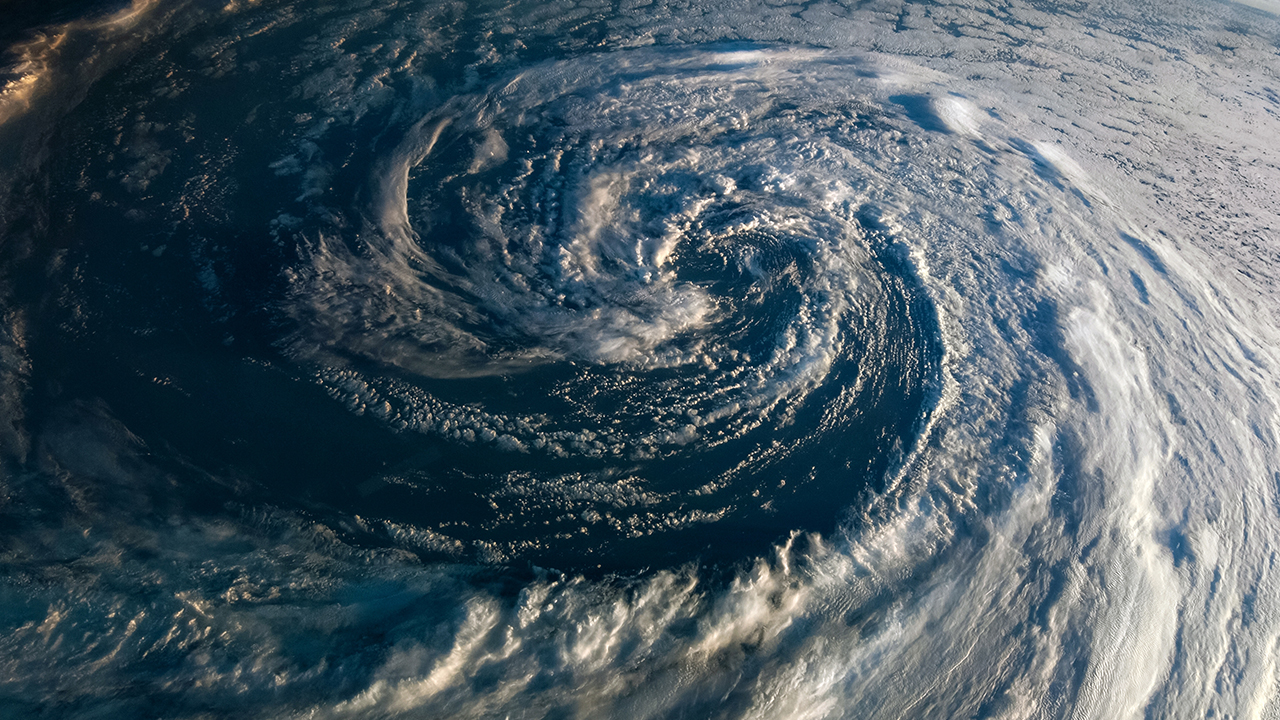
Scientists warn the “strongest El Niño ever recorded” will deliver “a deadly double-blow,” threatening nearly half a million lives as a global map reveals which regions face devastating floods, drought and extreme heat.
The 2026-27 El Niño is raising fears of a worldwide health emergency as unusually warm Pacific Ocean waters disrupt weather patterns across continents. The natural phenomenon occurs every few years, but climate change could intensify its consequences.
‘Pandemic-scale mortality’
“The 2026-27 El Niño is going to cause pandemic-scale mortality,” warned Yale epidemiologist Dr. Colin Carlson, who described the event as “the strongest El Niño ever witnessed in the observational record.”
Alongside Indiana University climate scientist Christopher Callahan, he has urged the World Health Organization (WHO) to treat the threat as an international public health emergency.
“El Niño is a global health threat,” Carlson wrote in Think Global Health. “An early analysis suggests that nearly half a million deaths will result from extreme heat alone.”
‘Worst outcome’
Research from the University of Chicago’s Climate Impact Lab (CIL) offers a similarly alarming projection, estimating “that 451,000 lives will be lost due to heat” between June 2026 and February 2027, “compared to a normal year.”
“We have long been able to predict the impacts of temperatures on crops, and now we can predict their impact on the worst outcome – death,” CIL founder Michael Greenstone told CNN of the staggering prediction.
But while rising temperatures threaten lives worldwide, a new map illustrates how El Niño could unleash dramatically different weather conditions depending on where people live.
Vulnerable areas
According to the World Meteorological Organization (WMO), parts of North America and southwestern South America face increased rainfall, raising concerns about flooding in areas including Chile and the Paraná basin.
The Northwest US and northern Caribbean could also experience wetter conditions, while farther south, Central America, the southern Caribbean and the Amazon face the opposite threat, with reduced rainfall increasing the risk of drought.
The contrast continues across Africa, where southern regions could face unusually dry weather during their November-to-April rainy season.
East Africa, meanwhile, faces a greater likelihood of heavy rainfall and flooding between October and December, potentially threatening communities already vulnerable to extreme weather.
Southeast Asia could also suffer from reduced rainfall, with higher temperatures increasing heat exposure and the danger of wildfires.
‘Deadly double-blow’
These forecasts describe regional risks rather than guaranteed conditions, but they underscore how a single climate event can affect millions of people in vastly different ways.
Flooding can increase the risk of waterborne diseases, while drought can threaten food production and access to safe drinking water, placing additional pressure on public health systems.
And scientists fear the consequences could reach far beyond damaged homes and crops.
“A super El Niño is turbocharging climate impacts, delivering a deadly double-blow,” UN Climate Change Executive Secretary Simon Stiell said at the COP31 climate summit on Nov. 9.
“The climate crisis is now a global health crisis of pandemic proportions,” he added.
How concerned are you about the extreme weather El Niño could bring to your area? Please let us know your thoughts!
Read more: