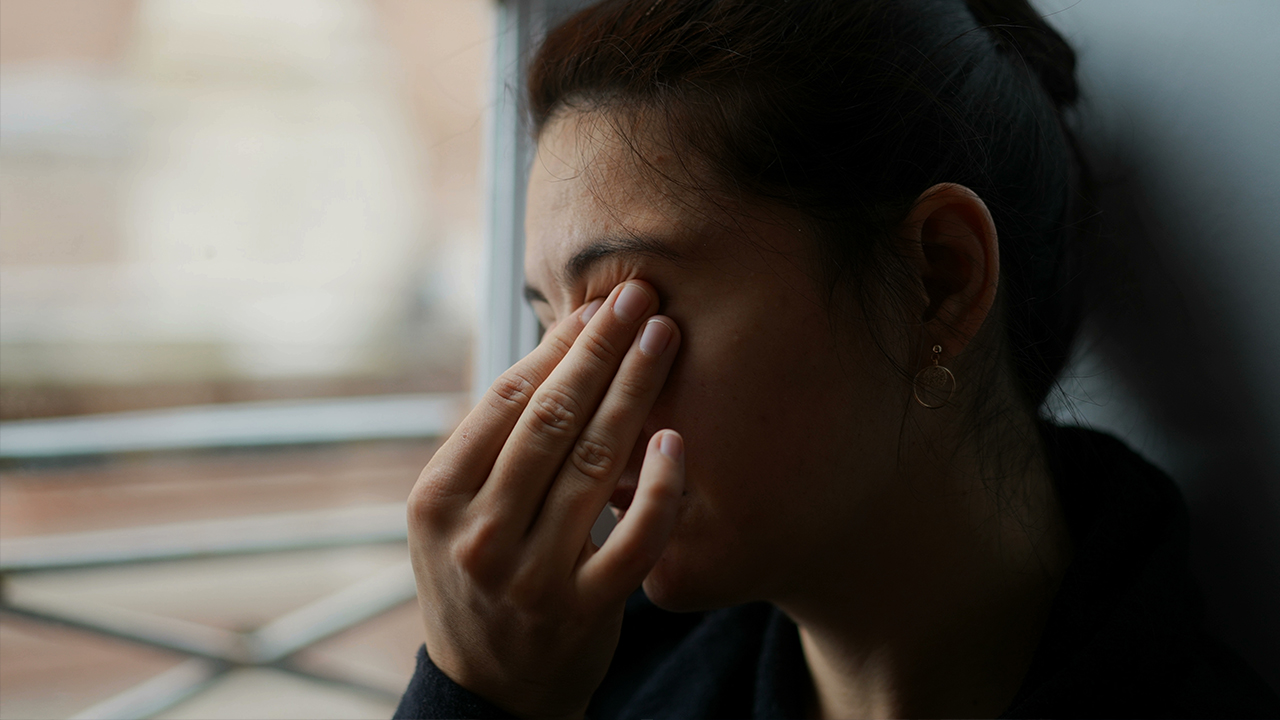
The FDA has issued a new warning for popular weight-loss and diabetes drugs after disturbing reports of users experiencing “Ozempic blindness.”
For nearly four decades, Ed Gillen worked for the state highway department while raising four children and coaching softball in Dedham, Massachusetts.
But in May 2025, his life changed dramatically when he suddenly lost his vision after taking a GLP-1 medication for about a year to manage his blood sugar.
“There’s no warning sign at all, there’s no pain; it just comes. It just comes,” Gillen told Boston 25 News.
“I was completely blacked out – Boom, lights out,” he added.
‘Ozempic blindness’
Doctors subjected Gillen to extensive testing, including brain scans and biopsies, before diagnosing him with non-arteritic anterior ischemic optic neuropathy, known as NAION.
“Doctors said, ‘you have Ozempic blindness,’” Gillen said, adding the condition “progressed so fast.”
The American Academy of Ophthalmology explains the “rare condition occurs when blood flow to the optic nerve is disrupted, potentially causing sudden, painless and permanent vision loss.”
People with diabetes or obesity already face a higher risk of developing optic nerve conditions, making it difficult to diagnose the exact cause.
At this time, there is no treatment to restore vision once it has been lost.
‘New job of being blind’
The diagnosis forced Gillen to leave his job operating heavy machinery after 39 years. He later attended the Carroll Center for the Blind, where he learned skills to help him live independently.
“I was very good at my job. And now I got to learn this, a new job of being blind,” he said.
His experience comes amid mounting concerns about vision loss among people using medications such as Ozempic, Wegovy, Mounjaro and Zepbound.
FDA issues warning
On Nov. 9, the Food and Drug Administration (FDA) announced that manufacturers must add warnings about the potential increased risk of NAION to GLP-1 medication labels.
After reviewing clinical trials and other safety data, the agency identified a possible connection between the medications and the rare eye condition, although a direct cause-and-effect relationship has not been established.
Novo Nordisk, which manufactures Ozempic and Wegovy, maintains that existing data does not prove its drugs cause NAION. Meanwhile, Eli Lilly, the maker of Mounjaro and Zepbound, said it was reviewing the FDA’s announcement, ABC News reports.
‘This is a thing and it’s real’
The agency advises patients experiencing sudden vision loss, blind spots or other unexpected changes in their eyesight to contact a healthcare professional immediately rather than stopping their medication without medical advice.
Gillen has joined other GLP-1 users in legal action against drugmakers over alleged vision loss, hoping to raise awareness of the potential risks.
“I want people to know that this is a thing and it’s real,” he told Boston 25 News.
Please share this story with your family and friends to help spread awareness of the potential risks linked to GLP-1 medications, including sudden and permanent vision loss.
Read more: