Despite all we know of the devastating capabilities of the weapons of today, despite knowing full well what it would mean for the progress and harmony of the human species, despite having insisted time and again that it would be nothing short of madness to allow it to unfold, World War 3 is a very real talking point at the moment.
That’s only natural given the current global climate, with political tensions high and a number of questionable individuals in power. Aside from the war raging in Ukraine, chaos is currently unfolding in Iran (with certain officials threatening U.S. involvement), and the break-up of NATO is one terrible decision from likely playing out.
Put simply, there’s an awful lot that could go wrong in the next 12 months, and if it does, the blood-chilling prospect of a third world war inches dramatically closer.
We’ll stress that at the time of writing, the war to end all wars remains unlikely, but it might not be a terrible idea to at least consider what you and your family will do in the event of the end times arriving.
For millions of men across the U.S. (presuming, of course, that the U.S. are involved in any such world war, which they almost certainly will be) that means contemplating conscription.
For those unsure of the term, it describes the compulsory enlistment for state service, typically into the armed forces, in times of need. Your country calls, you step up (unless you’ve an exceptionally good reason not to), and you may or may not be lifted from the relative safety and comfort of day-to-day life and forced to travel to foreign lands to wage war.
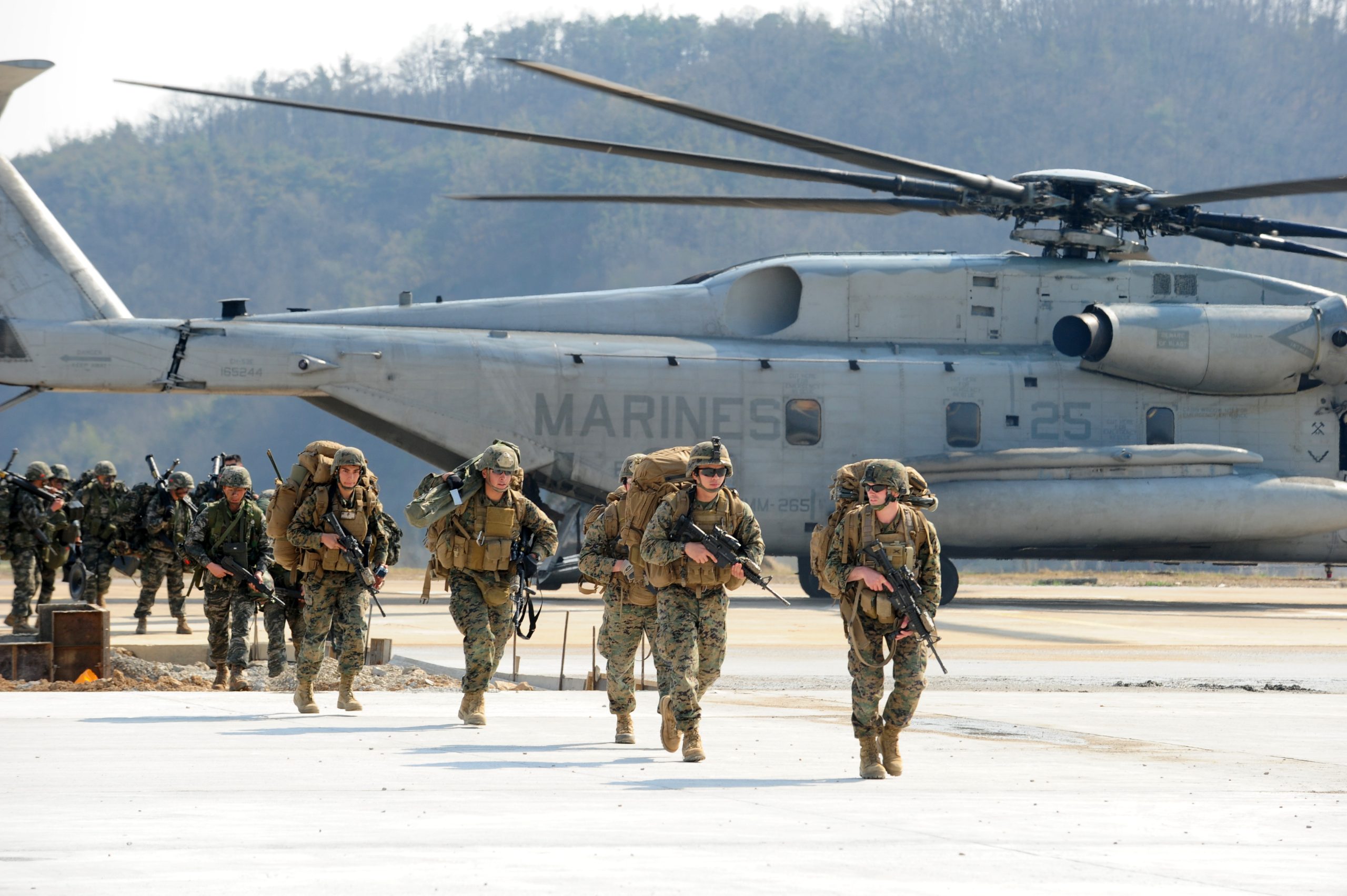
In bygone eras it was considered an exciting undertaking by some; an adventure that promised glory, comradery, the chance to mature, and enthralling experiences that would make for great stories later.
The reality, as any self-respecting history documentary should make plain, was a terrifying, traumatic experience that often killed or maimed the individuals involved. At the very least, the majority were left with long-lasting trauma, forever haunted by the things they had seen and done.
Needless to say, the lessons learned greatly reduce the appeal of gladly stepping into the fray, rifle in hand.
An obvious by-product of that is individuals refusing to answer the call to service, otherwise known as ‘draft-dodging’. As per reports, over 80,000 men in the U.S. attempted to dodge the Korean War draft between 1950 and 1953. In the Vietnam war, 15 years or so later, draft-dodging became even more widespread and well-known.
As per The Infographics Show on YouTube, over 570,000 men were classified by the U.S. Justice Department as “draft offenders”. Of that number, 210,000 were formally accused of having dodged the draft. 3,250 men were consequently jailed.
A quick glance at those figures makes it seem that draft-dodging, despite being a felony, wasn’t all that risky. Only 2% of accused draft dodgers faced significant punishment; the remaining 98% typically emigrated to countries like Canada, or found ways to fail their physical exams. President Donald Trump received no less that five military draft deferments in his youth, for example, avoiding being conscripted in the Vietnam War due to a claim of bone spurs in his heels.
Others were able to secure conscientious objector status, citing religious or moral beliefs that directly opposed war.
Now, let’s circle back to today. A formal military draft no longer exists in the U.S., though all men between the ages of 18 and 25 are required to register for the Selective Service System (SSS) in case a draft is reinstated.
Failure to register is a federal felony punishable by up to 5 years in prison and fines as high as  $250,000. Prosecutions are rare, but those found guilty can also find themselves ineligible for federal loans, government jobs, and even driver’s licenses in some states.
In the modern era, the debate regarding women potentially being drafted has raged. Under current U.S. law, women are not required to register for Selective Service, though in February 2019, a federal judge ruled that the ban on women registering for the draft was unconstitutional.
A World War 3 draft
So, how does the draft work if World War 3 was to break out? There are several steps the US government must go through before placing individuals in military service. First, under SSS, Congress must activate the Military Selective Service Act, authorizing the President of the United States to induct personnel into the Armed Forces.
If the situation were to escalate to the point of a draft, the U.S. would need to follow a specific set of steps to conscript citizens into military service. This includes activating the Selective Service System, which orders all personnel to report for duty.
The third step in the draft process is the lottery, a national event which will be live-streamed. There, birthdays and numbers will be randomly drawn to determine the order in which individuals receive orders to report for induction.
The Selective Service guidelines reads: “The first to receive induction orders are those whose 20th birthday falls during the year of the lottery. If required, additional lotteries are conducted for those 21, 22, 23, 24, 25, 19, and finally 18.6 years old.”
READ MORE
- Military expert confirms first U.S. citizens who will be drafted if World War 3 breaks out
- Expert reveals the 15 US cities that would be first targets in WW3 – some might surprise you