OVID-19 changed the world.
Now, another deadly virus has prompted several airports to reinstate some of the rules used during the COVID years.
Transmitted from animals to humans
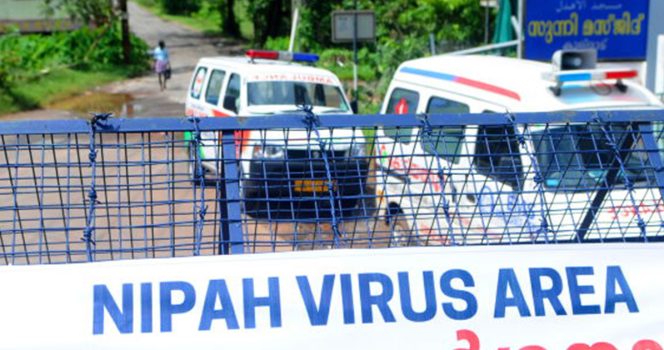
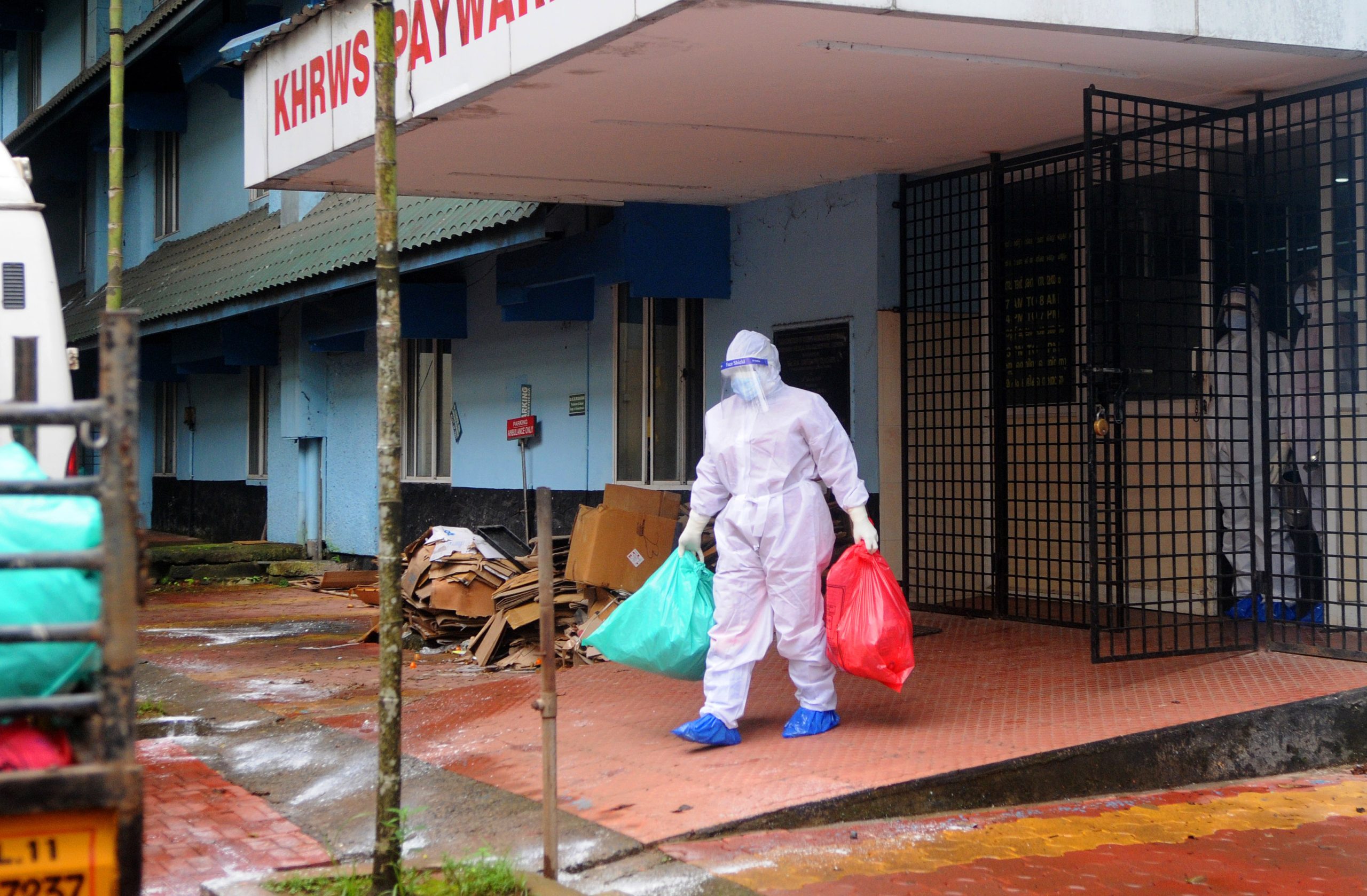
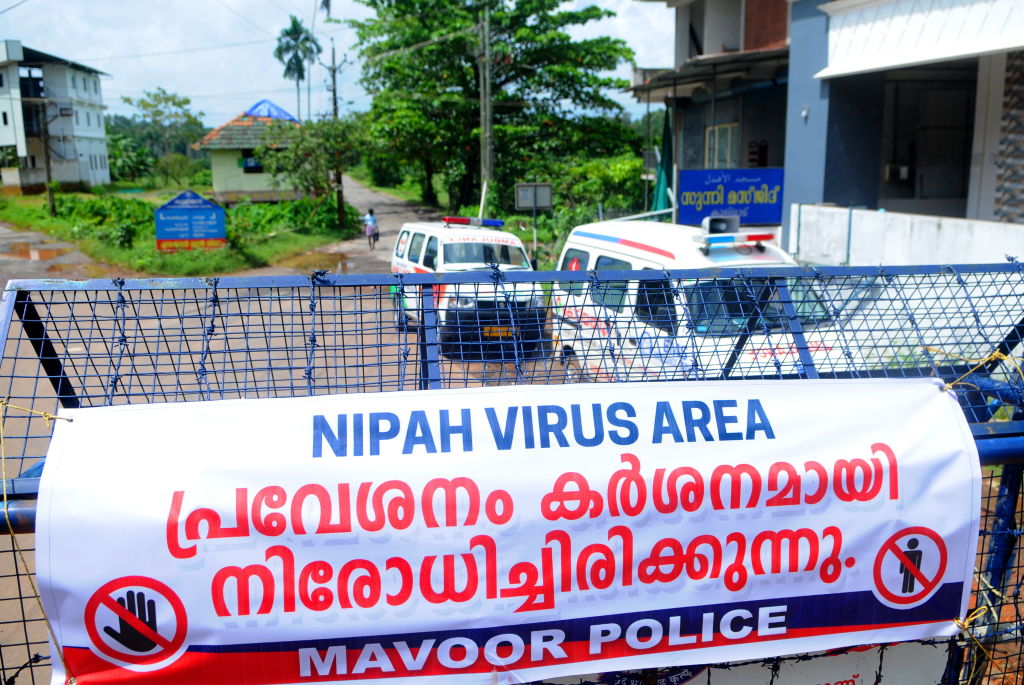
Health authorities are racing to contain a Nipah virus outbreak in India’s eastern state of West Bengal after five cases were confirmed, including doctors and nurses who were infected. The virus is considered extremely dangerous, with a high fatality rate and no effective treatment currently available.
Nearly 100 people have been asked to quarantine at home, and patients are being treated in hospitals in and around Kolkata, with one in critical condition.
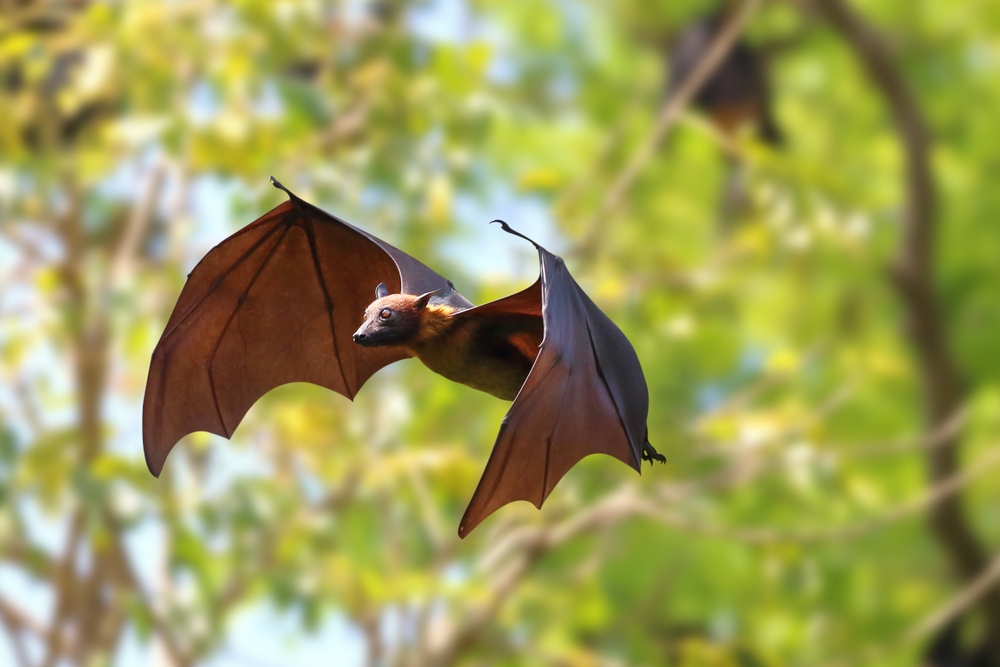
Nipah is a highly dangerous zoonotic virus (transmitted from animals to humans) with no vaccine or cure. The World Health Organization classifies it as a high-risk pathogen, noting that while human infections are rare, they typically occur when the virus spills over from bats — often through contaminated fruit. Human-to-human transmission is also possible through close contact with infected bodily fluids.
According to the CDC, Nipah usually begins with flu-like symptoms such as fever, headache, muscle pain, and fatigue, though some patients may develop respiratory issues like cough or pneumonia.
The virus typically takes between four and 14 days to show symptoms.
First identified in 1999
The most severe complication is encephalitis — brain inflammation — which can cause confusion, seizures, or even coma. Survivors may experience long-term neurological effects, including personality changes or persistent seizures.
The virus was first identified in 1999 during an outbreak in Malaysia and Singapore, when pig farmers and others who handled infected pigs fell ill.
Since then, outbreaks have been reported in South Asia, including Bangladesh, northeast India, and southern India’s Kerala state.
Scientific studies show fruit bats are the natural carriers, and although the virus exists in bat populations across Asia and Africa, human cases remain largely confined to South and Southeast Asia.
There is currently no proven treatment or vaccine for Nipah.
Tightened health screening
Care is largely supportive, focusing on managing symptoms as they arise. The WHO advises preventive measures such as avoiding raw date palm sap or fruits contaminated by bats, properly cooking food, and limiting contact with infected individuals or animals.
The current West Bengal outbreak appears to have originated in a hospital, with a male and female nurse testing positive first, followed by a doctor, another nurse, and a staff member.
The Nipah virus hasn’t typically caused large-scale outbreaks or spread widely, but several Asian countries are now taking precautions to stay on the safe side.
Nepal, Thailand, Taiwan, and Hong Kong have all tightened health screening for travelers coming from the region, using techniques that was in place during the Covid-19 pandemic.
Passengers traveling through Suvarnabhumi, Don Mueang, and Phuket airports are now being screened for fever and other symptoms linked to the virus. Health officials are also handing out “beware” cards, advising travelers on what steps to take if they begin to feel unwell.
Thailand’s Prime Minister Anutin Charnvirakul said, “Thailand’s Department of Disease Control screens travellers from West Bengal, India at Suvarnabhumi & Don Mueang airports starting 25 January amid Nipah virus outbreak. Health officials implement strict measures as passengers show excellent cooperation at checkpoints.”
Nepal has implemented checks at Tribhuvan International Airport and key land crossings with India. Meanwhile, health officials in Taiwan are preparing to classify Nipah virus infection as a Category 5 notifiable disease — the country’s highest alert level for serious emerging infections under its public health laws.
China, which took strict measures to control COVID-19, has reported that no Nipah virus cases have been detected in the country. However, state broadcaster CCTV said Tuesday that there is still a risk of imported cases, citing the nation’s disease control authority.
The WHO has again highlighted Nipah as a priority pathogen due to its potential to trigger an epidemic. Past outbreaks have shown mortality rates ranging from 40% to 75%, making swift action critical.
For now, authorities are urging people in affected areas to remain cautious: “Don’t hunt, don’t forage, don’t eat,” is the current advice from Thailand’s health officials.
READ MORE
- Alex Pretti’s parents gave him a chilling warning days before he was killed
- Blind Side star Quinton Aaron on life support following hospitalization