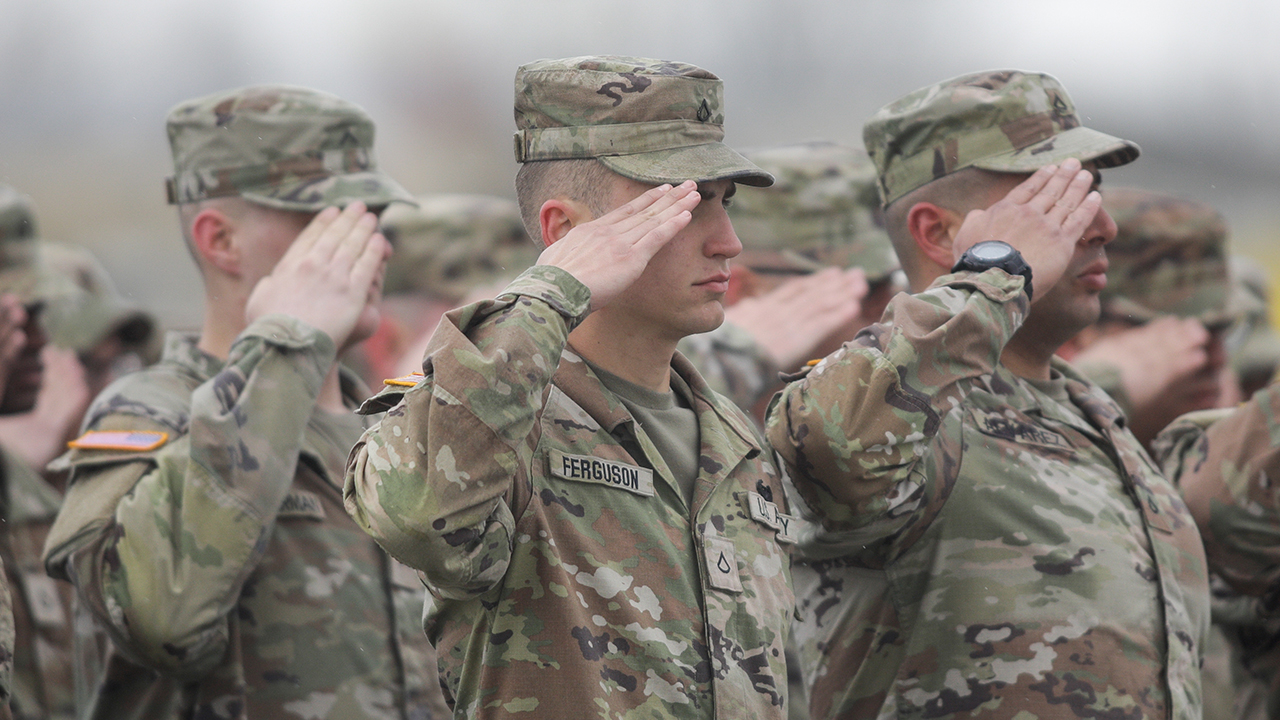
The US military is preparing for the possibility of large-scale combat operations, with senior Army National Guard commanders discussing how to mobilize and deploy forces on a much greater scale.
The preparations have brought renewed attention to a question many Americans may be wondering about: If the United States were drawn into a major war, who could be called up to serve?
Contacted 100,000 former military personnel
With conflicts continuing to unfold around the world, military readiness has become an increasingly important issue for governments everywhere. From the ongoing war in Ukraine to tensions in the Middle East and growing security concerns across Europe, the international situation has put defense preparations firmly in the spotlight.
In the UK, the government has recently contacted around 100,000 former military personnel to update their details and ensure they could be reached if they were ever needed again in the event of a major conflict. Officials have stressed that the move is precautionary and does not mean war is imminent.
Across the Atlantic, the question of military service is also drawing attention. While there is currently no indication that the US plans to bring back compulsory military service, recent preparations by Army National Guard leaders have renewed interest in how the country would respond if a major conflict required a larger fighting force.
Army National Guard leaders prepare
The United States still relies on an all-volunteer military, but it maintains the Selective Service System – a framework that could be used to reinstate the draft if Congress and the president authorized it.
And with military leaders now placing renewed emphasis on large-scale mobilization, the rules surrounding the potential draft are worth understanding.
On November 6-8, senior Army National Guard commanders gathered at Camp Robinson in North Little Rock, Arkansas, for the 2026 Green Tab Commanders Conference.
According to the Army National Guard, this year’s theme was ”Preparing for Large-Scale Mobilization Operations and Large-Scale Combat Operations.”
The discussions focused on how units could be mobilized, validated, moved and integrated into the wider Army in the event of a major conflict.
Lt. Gen. Jonathan M. Stubbs, director of the Army National Guard, emphasized the importance of having soldiers and units ready to respond when called upon.
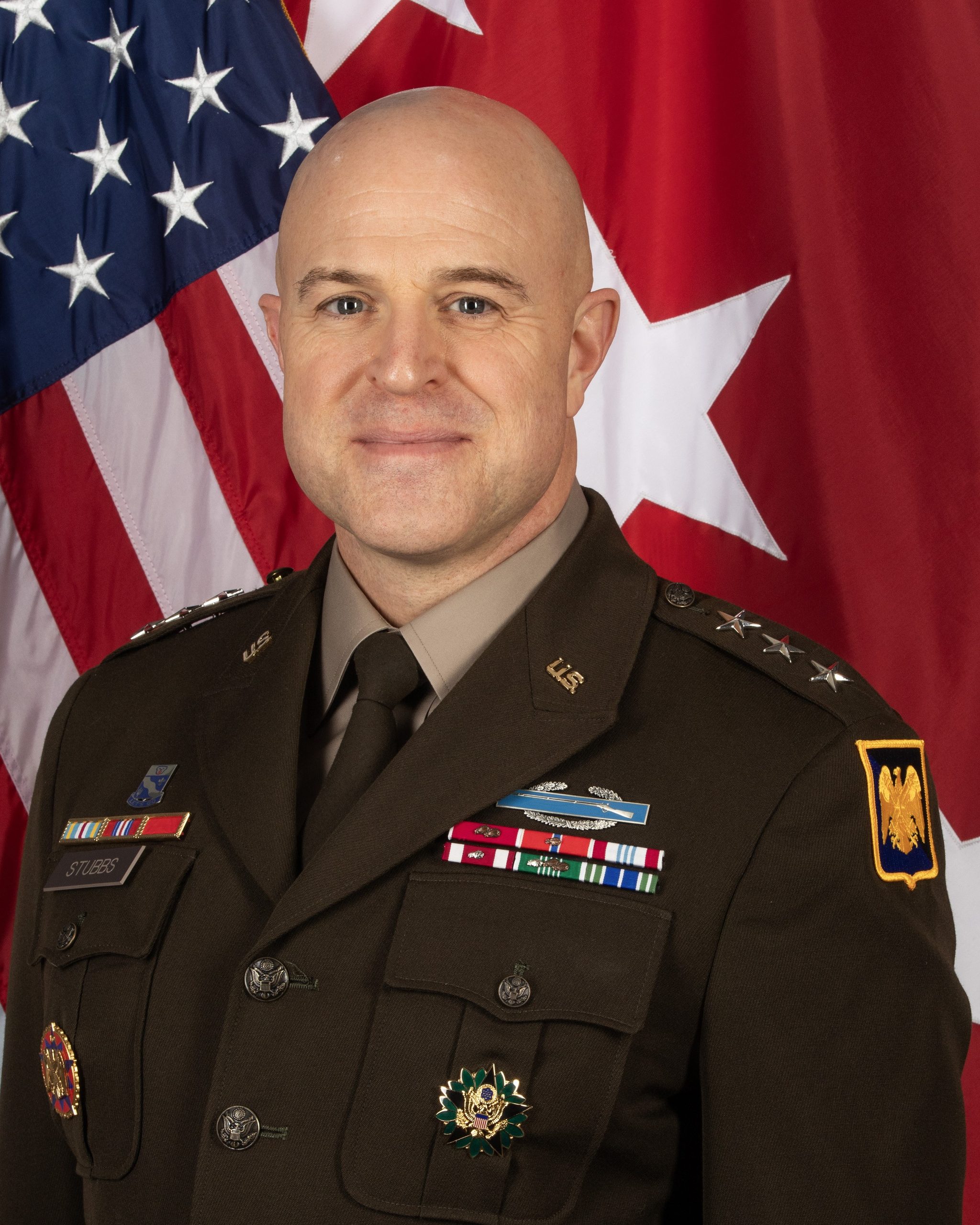
”That foundation is what allows us to mobilize at scale, integrate with the Total Army and deliver combat power when our nation calls,” Stubbs said.
The Army National Guard has approximately 329,000 soldiers spread across the 50 states, three territories and the District of Columbia. It also provides more than 40% of the Army’s total combat power, according to the organization.
The conference was focused on improving the readiness of existing forces.
We need qualified, disciplined and fit Soldiers, lethal crews and squads, maneuver-proficient platoons, and staffs that can command and control at echelon,” Stubbs explained.
It was not an announcement of a new military draft or an order for civilians to prepare for compulsory service.
But what would happen if the US needed more soldiers than its volunteer military could provide?
Who could be drafted in the United States?
The United States has not actively used conscription since 1973, when it moved away from the draft and toward an all-volunteer military.
However, the Selective Service System remains in place.
Under current federal law, most male US citizens and male immigrants living in the country are required to register with Selective Service between the ages of 18 and 25.
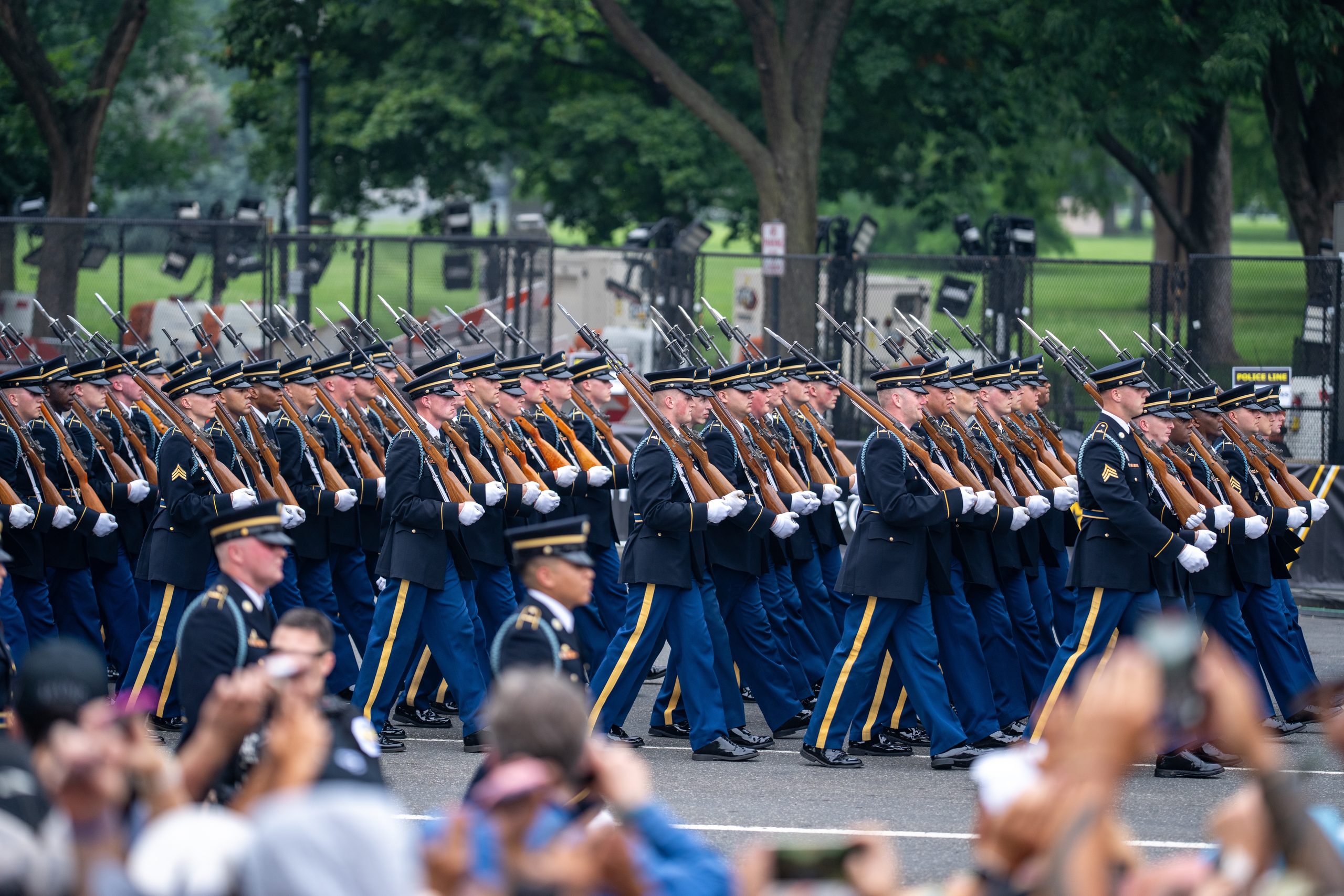
This registration does not mean someone has been drafted. It simply ensures the government has a system in place to identify potential candidates if a draft is authorized.
If conscription were ever reinstated, men registered with Selective Service could become eligible for selection.
The system would not automatically send everyone who is registered into the military. A draft would first require authorization through the federal government, including action by Congress and the president.
New changes to the draft registration system
Another development has brought the Selective Service System back into the spotlight.
Under legislation signed by President Donald Trump in December 2025, the government is moving toward automatically registering eligible men for Selective Service rather than requiring them to sign up themselves.
The change is scheduled to take effect on December 19, 2026.
The new system is intended to streamline registration by using information already held by federal and state government agencies.
Could women be drafted too?
Under current law, women are not required to register with Selective Service and are not included in the existing draft registration system.
There have been repeated debates in Congress about whether women should also be required to register, particularly since all military combat positions have been open to women since 2016.
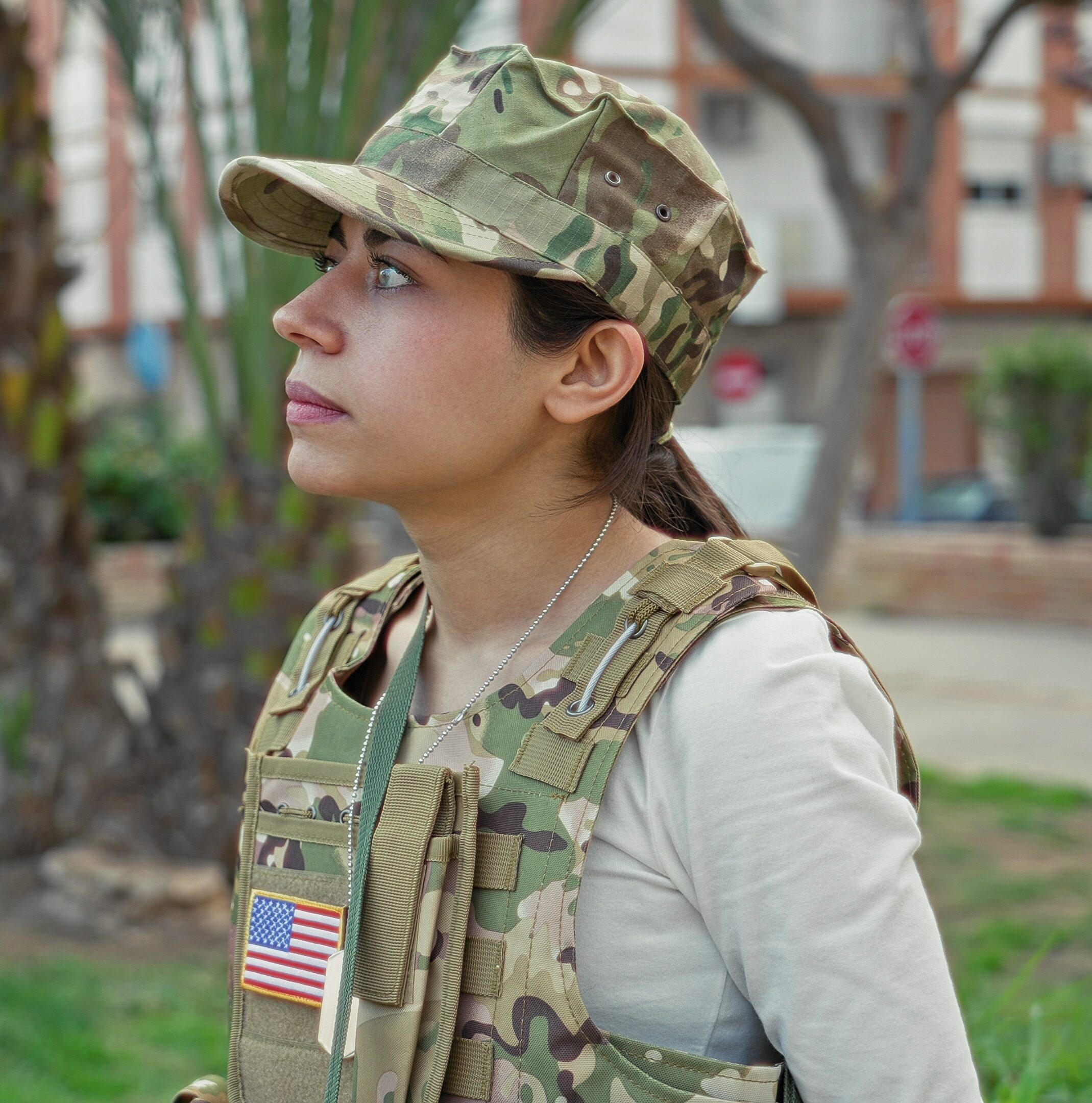
However, no such change has been enacted into current law.
For now, the registration requirement applies to men, with certain exceptions based on immigration status and other circumstances.
Has the US brought back the military draft?
Despite the renewed attention surrounding military readiness and mobilization, the answer is no.
The US military remains an all-volunteer force, and there has been no announcement that conscription is being reinstated.
The Army National Guard’s preparations are part of broader efforts to ensure that existing military formations can respond to a major conflict if necessary.
Still, the combination of large-scale mobilization planning and changes to the Selective Service registration system raises an important question about how the country would respond if a future conflict required more manpower.
For millions of Americans, understanding who could potentially be called up — and what would have to happen before that became reality — is becoming an increasingly relevant issue.
READ MORE
- How a Russian attack on the US could unfold in the first 72 hours
- War expert reveals key things the U.S must do to prevent WW3