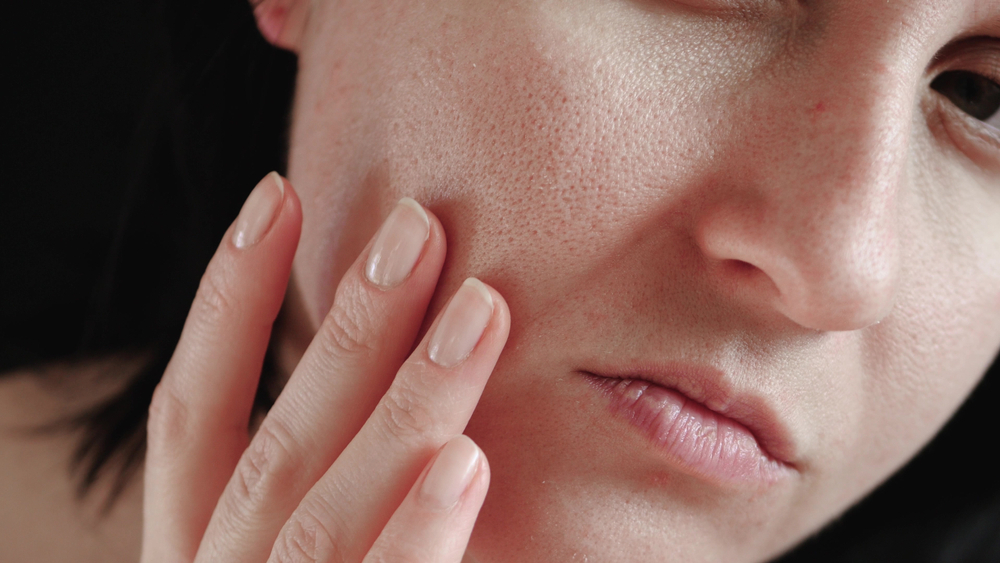
For years, many women blamed their zombie-like appearance on stress or too little sleep. Now, a viral trend suggests those changes could point to something hiding beneath the surface.
Keep reading to learn more.
The social media trend, dubbed “ferritin face,” has sparked conversations after women started connecting unexplained changes in their appearance to low levels of iron. Although “ferritin face” isn’t an official medical diagnosis, experts say the viral nickname reflects a real health issue that often goes unnoticed.
People using the term describe a collection of symptoms they say crept in gradually, including dark under-eye circles, pale or dull-looking skin, thinning hair and a permanently exhausted appearance that never seemed to improve with another early night.
‘Why do I look dead?’
It wasn’t vanity driving the conversation – it was a search for answers.
“Why do I look dead all the time?” one woman captioned her TikTok while describing her experience.
“Low iron is looking like this even after 10 hours of sleep and being asked if you’re ok 24/7,” she wrote in the text overlaying her photo. “No amount of serums or 10-step routines can replace what your skin needs at a cellular level…Consider checking your iron levels. Your skin reflects what your body is missing.”
Another creator shared a similar sentiment after finally discovering the cause.
“I’m 41. My ferritin was at 3. I was a walking zombie. Now it’s over 20 and I feel like a new person,” the TikToker shared.
As more women recognized themselves in those stories, the videos quickly turned into a wider discussion about whether seemingly cosmetic changes could actually signal an underlying health issue.
Low iron and appearance
Ferritin is a protein that stores iron inside the body’s cells and acts as the body’s iron reserve. When those stores start running low, the body has less iron available to perform essential functions, which can eventually affect everything from energy levels to skin and hair.
Dr. Josef Hadeed, a double board-certified plastic surgeon in Beverly Hills, described ferritin as the body’s “iron storage vault.”
“When ferritin levels drop, the body struggles to produce hemoglobin, which is the iron-rich protein within your red blood cells that transports oxygen to the tissues,” he told Fox News.
Because less oxygen reaches the skin, a person’s complexion may lose its healthy color, making the naturally darker tissue beneath the eyes appear more noticeable.
Low iron can also affect skin elasticity, causing the delicate area under the eyes to appear thinner and more tired.
More than dark circles
Experts stress that appearance is only one piece of the puzzle.
According to Dane Thomas, a Texas-based hematology and oncology physician associate, “the severity of these symptoms generally increases as ferritin decreases.”
Beyond pale skin and dark under-eye circles, low iron can cause fatigue, dizziness, headaches, brittle nails, hair loss, shortness of breath during physical activity, trouble concentrating and even unusual cravings to chew ice.
The American Society of Hematology also lists restless legs syndrome, poor sleep, a sore or smooth tongue, rapid heartbeat, cold intolerance and a “pounding or ‘whooshing’ in the ears” among the possible warning signs of iron deficiency.
Beyond the symptoms
Doctors say low iron isn’t always caused by a lack of iron-rich foods.
Heavy menstrual bleeding, pregnancy and frequent blood donation are among the most common reasons iron stores become depleted.
In other cases, gastrointestinal disorders can interfere with iron absorption, while chronic bleeding and certain cancers may also contribute.
Thomas noted that iron deficiency has also become more common among people who have undergone bariatric surgery because their bodies absorb less iron afterward. Some acid-reducing medications, including proton pump inhibitors and H2 blockers, may also increase the risk.
“Whenever possible, I work with my patients to determine why their iron deficiency developed so we can reduce the likelihood that it will recur,” Thomas told Fox.
“This often involves collaboration with gastroenterologists, gynecologists or other specialists to evaluate for sources of blood loss or malabsorption.”
Don’t ‘self treat’
Although the online trend has encouraged many people to seek answers, experts caution against self-diagnosing.
“This is not something that someone should self-treat, and I always advise them to seek professional help,” Hadeed warned. “Unlike water-soluble vitamins, the body has no easy mechanism to excrete excess iron, and over-supplementation can lead to increased levels of iron in the body, which can affect the liver and heart.”
Instead, doctors diagnose iron deficiency with a simple blood test and, if necessary, investigate the underlying cause before recommending treatment.
Treatment options
Treatment may include oral iron supplements, intravenous iron in more severe cases and increasing iron-rich foods such as lean meats, leafy greens, legumes and fortified grains.
“The biggest drawback of oral iron is gastrointestinal side effects, including nausea, constipation, abdominal discomfort and stomach upset,” Thomas noted.
He added that taking supplements every other day can often reduce those side effects while maintaining excellent absorption.
The reassuring news, according to Hadeed, is that the appearance associated with so-called “ferritin face” is usually reversible.
Once iron stores are restored and hemoglobin levels recover, healthy color gradually returns to the skin and dark under-eye circles often fade over the following months.
If dark circles or a tired-looking complexion have left you searching for answers, we’d love to hear your thoughts in the comments. And don’t forget to share this story with someone who might find it helpful!
READ MORE
- Henry Winkler reveals the co-star who got under his skin: ”He was an a**back”
- Unsettling theory emerges over why Bryan Kohberger chose the house he attacked