It was supposed to be a moment of celebration — a routine launch watched by millions, with seven astronauts beginning what should have been an extraordinary journey into space.
Instead, just 73 seconds after liftoff, everything changed.
The Challenger disaster became one of the most heartbreaking moments in NASA history, leaving families, colleagues and an entire nation struggling to understand how a mission filled with such hope could end in unimaginable tragedy.
It hardly feels like it was that long ago, but 40 years have now passed since the Challenger disaster.
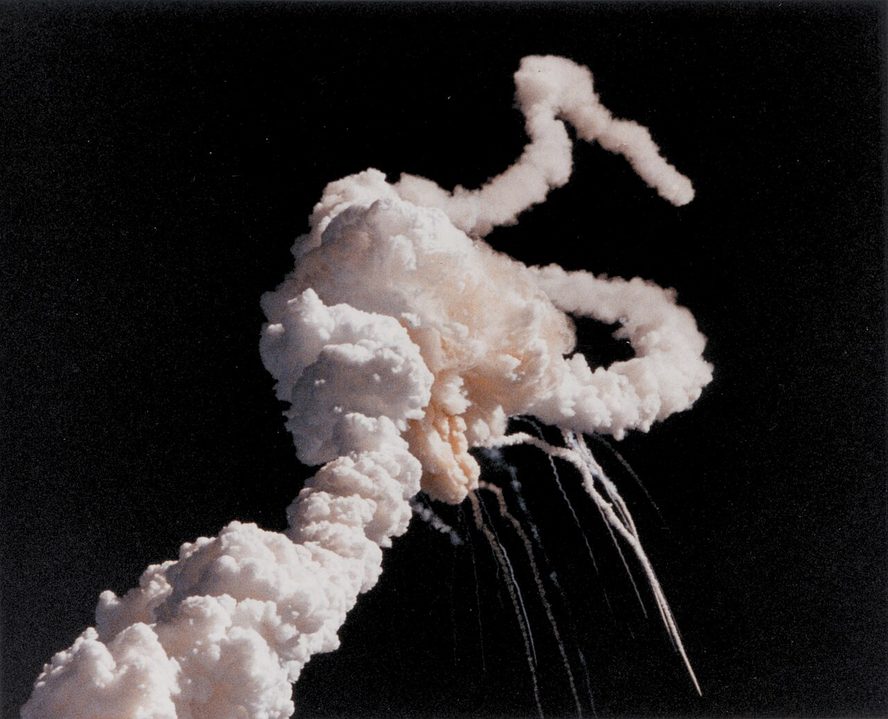
For millions of people who watched the launch, what began as a moment of excitement and hope suddenly became one of the most heartbreaking tragedies in NASA history. Just 73 seconds after liftoff, the shuttle broke apart, killing all seven astronauts on board.
Inside Mission Control, confusion quickly gave way to the realization that something catastrophic had happened.
And then came an order that would mark the beginning of NASA’s response to the disaster.
NASA’s haunting order
At first, controllers were trying to determine exactly what had happened to the shuttle.
The launch appeared normal during the opening seconds.
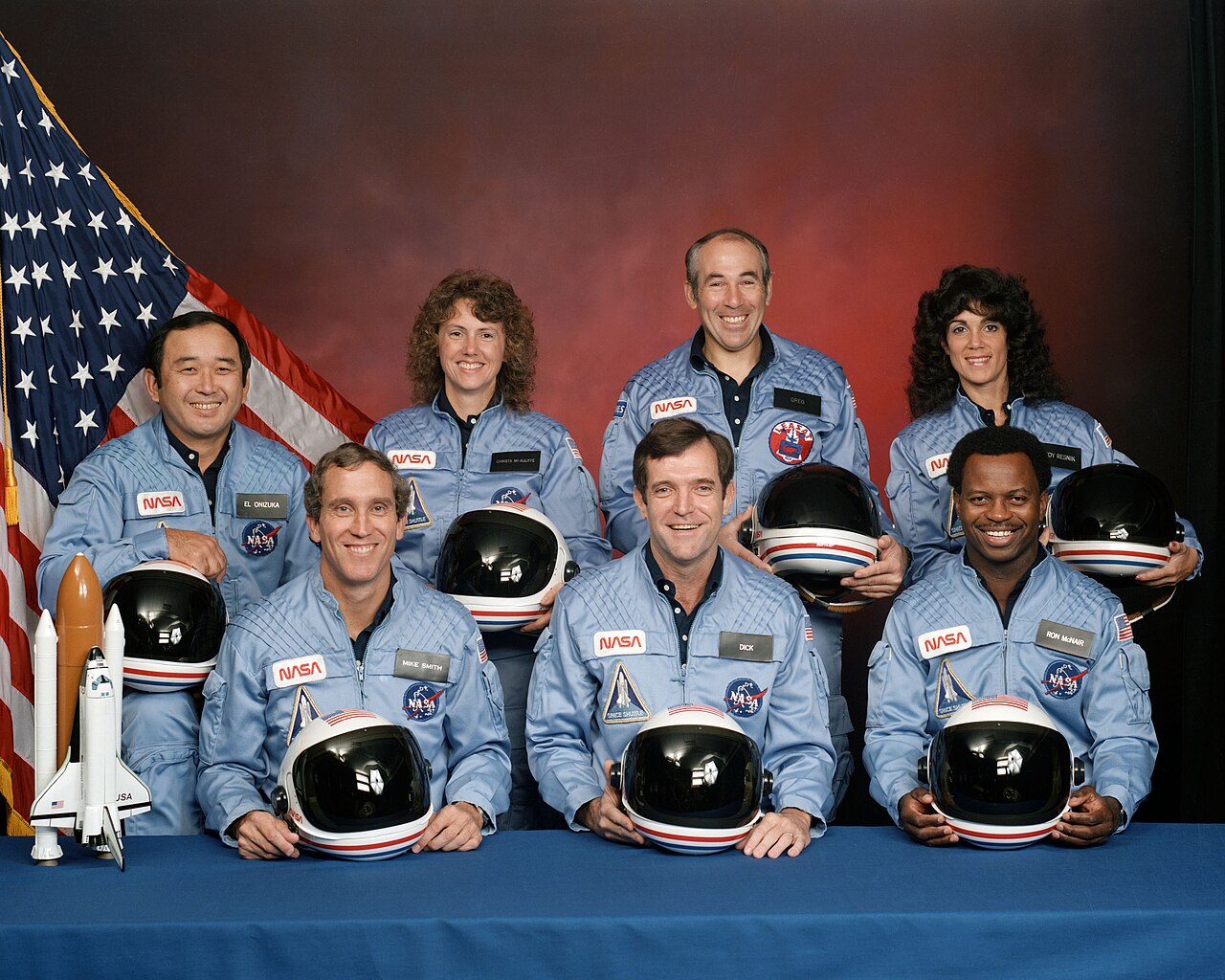
Challenger lifted away from the pad and began climbing into the clear January sky, carrying commander Francis “Dick” Scobee, pilot Michael Smith, mission specialists Judith Resnik, Ellison Onizuka and Ronald McNair, and teacher-in-space Christa McAuliffe and payload specialist Gregory Jarvis.
Then, just over a minute into the flight, the shuttle broke apart.
Mission Control immediately lost communication with the crew.
About 13 seconds after the breakup, Mission Control was still silent, before flight director Jay Greene began asking for information.
Why they destroyed the boosters
As controllers watched debris spread across the sky, the Range Safety Officer realized that the two solid rocket boosters were still flying independently. With one appearing to be headed toward populated areas, he made the decision to destroy them.
The officer first sent the command “ARM.” About 10 seconds later, he followed with “FIRE,” destroying the boosters roughly 110 seconds after liftoff.
But inside Mission Control, the meaning of what had just happened was becoming painfully clear.
Flight Director Jay Greene eventually told controllers to begin contingency procedures. The room shifted from preparing to guide Challenger into orbit to preserving everything they could about what had happened.
The disaster had lasted only seconds.
The investigation that followed would last for months.
What caused the Challenger disaster?
Challenger launched on January 28, 1986, as mission STS-51-L.
The mission had attracted enormous public attention because McAuliffe, a 37-year-old teacher from New Hampshire, was aboard as part of NASA’s Teacher in Space Project. She was expected to conduct lessons from orbit and had become a symbol of the program.
But engineers had serious concerns about the unusually cold conditions surrounding the launch.
Temperatures at Kennedy Space Center had dropped dramatically overnight, and ice had formed around parts of the launch structure.
The shuttle’s solid rocket boosters contained rubber O-ring seals designed to prevent hot gases from escaping from the joints between the rocket sections.
Engineers at Morton Thiokol, the company responsible for the boosters, had previously raised concerns about the O-rings performing properly in low temperatures.
On the morning of the launch, some engineers recommended delaying the mission.
Their concerns were ultimately overruled, and Challenger lifted off at 11:38 a.m.
The temperature was around 36 degrees Fahrenheit, making it one of the coldest shuttle launches NASA had attempted.
The moment everything went wrong
For the first minute, Challenger appeared to be flying normally.
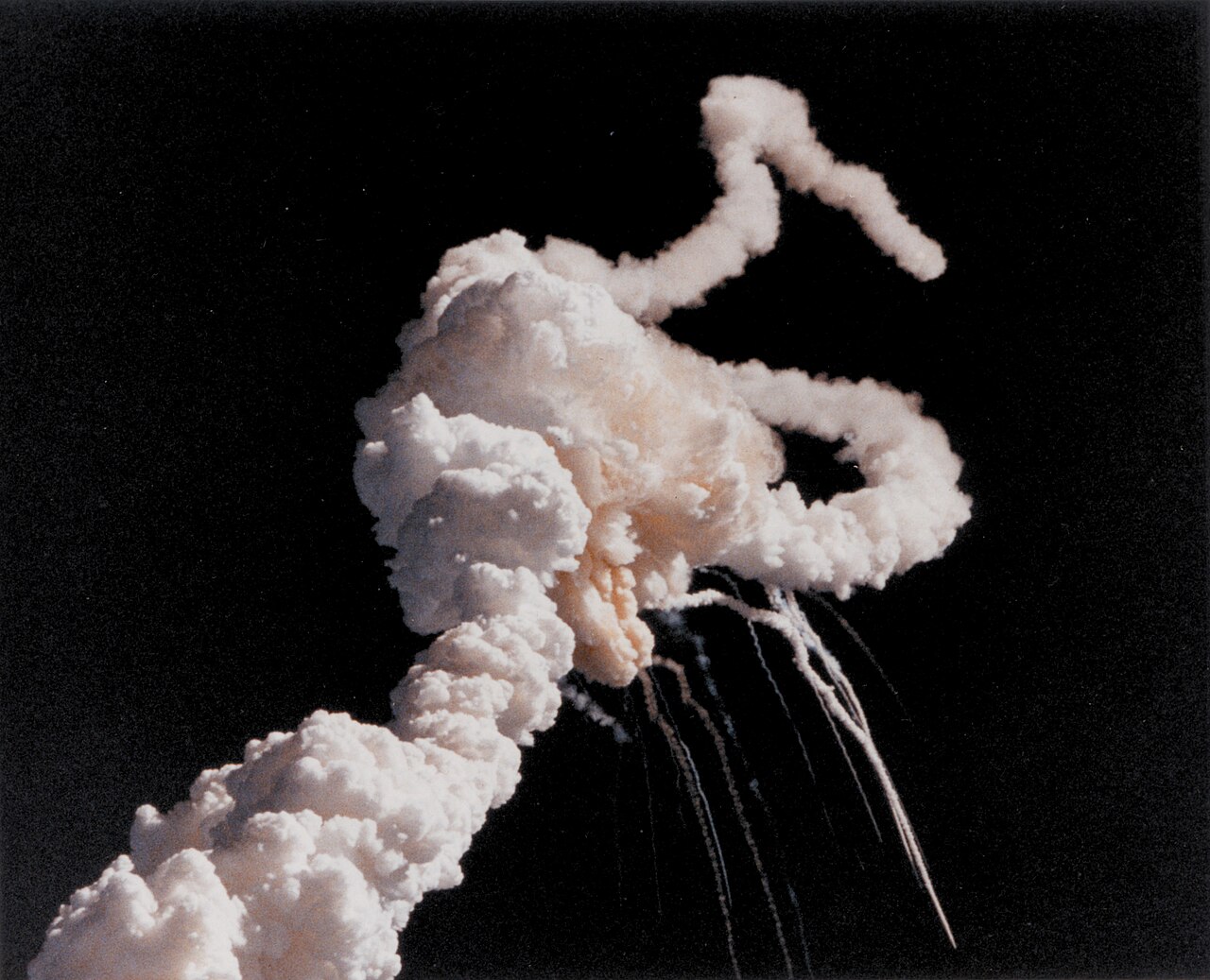
Then, at approximately 73 seconds after liftoff, a leak developed around one of the solid rocket booster joints.
Hot gases escaped through the damaged seal and struck the adjacent external fuel tank. A sequence of structural failures followed.
The shuttle suddenly disappeared into a massive cloud of smoke and debris.
For viewers watching from the ground, it looked almost unreal.
Inside Mission Control, however, controllers were trying desperately to understand what they were seeing.
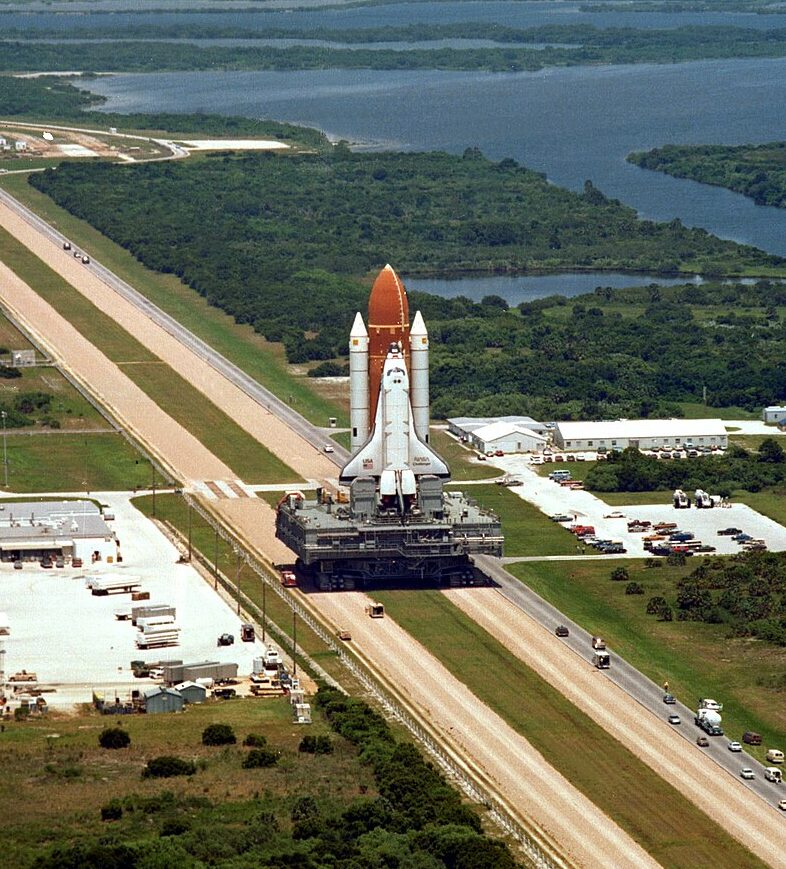
One controller reported: “We have an obvious malfunction.”
Then came the words that have become permanently associated with the disaster.
As controllers struggled to establish what had happened, Flight Director Jay Greene told the team: “Obviously a major malfunction.”
The phrase was calm and technical, but behind it was an unfolding catastrophe.
There was no response from the crew.
The final words from Challenger
Unlike some other space disasters, the Challenger crew did not have a long final transmission before everything went wrong.
The last clear words from the shuttle came from pilot Michael Smith. As Challenger continued its ascent, Smith calmly responded to Mission Control: “Roger, go at throttle up.”
Just moments later, the final recorded words from the crew were heard: “Uh oh.”
Until then, everything in the cockpit had sounded routine. The astronauts on the upper flight deck had been communicating normally, while the three crew members on the middeck remained silent during the brief flight.
Seconds later, the shuttle began to break apart.
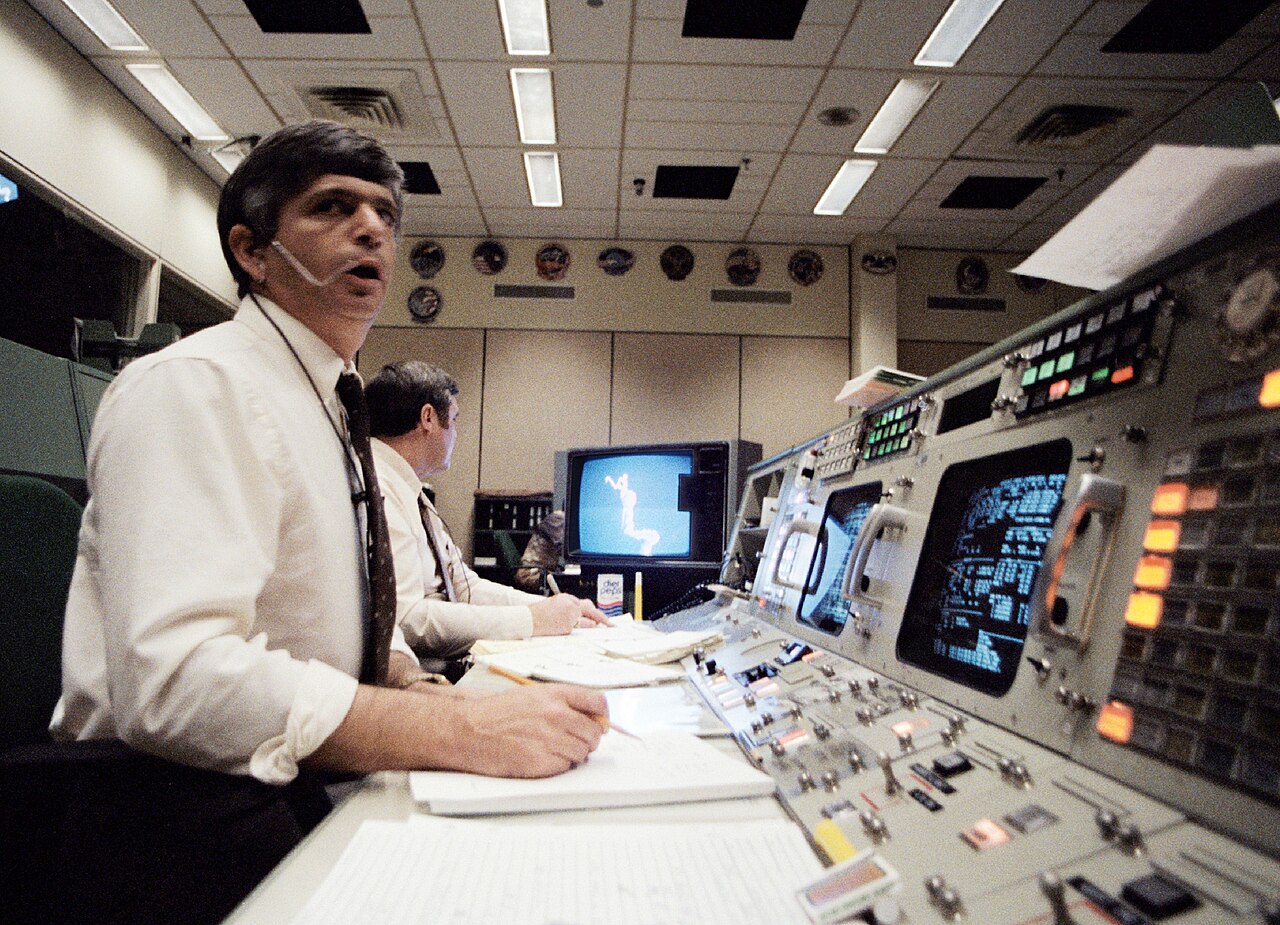
The crew cabin separated from the rest of the vehicle, but investigators later determined that the astronauts were not necessarily killed at the exact instant the shuttle disintegrated.
NASA’s later investigation into crew survivability found that the breakup subjected the crew compartment to enormous forces, and several emergency oxygen systems were activated afterward.
The cabin eventually struck the Atlantic Ocean approximately two minutes and 45 seconds after the initial breakup.
All seven astronauts died.
The investigation that changed NASA
The Challenger disaster triggered one of the most extensive investigations in NASA’s history. The Rogers Commission was established to determine what had gone wrong.
Investigators ultimately identified the failure of an O-ring seal in the right solid rocket booster as the immediate technical cause.
But the investigation also uncovered deeper problems within NASA’s decision-making culture.
Engineers had repeatedly expressed concerns about the O-rings, particularly in cold weather. The commission found that communication failures and pressure surrounding the shuttle program had contributed to the decision to proceed with the launch.
The Rogers Commission concluded that the disaster was not simply the result of one mechanical failure.
It was also a failure of communication and management.
A tragedy that changed NASA forever
The Challenger disaster brought the Space Shuttle program to a standstill for more than two years.
NASA made extensive changes to the shuttle’s solid rocket boosters, launch procedures and organizational structure before flights eventually resumed.
For the families of the seven astronauts, however, none of those changes could undo what happened that morning.
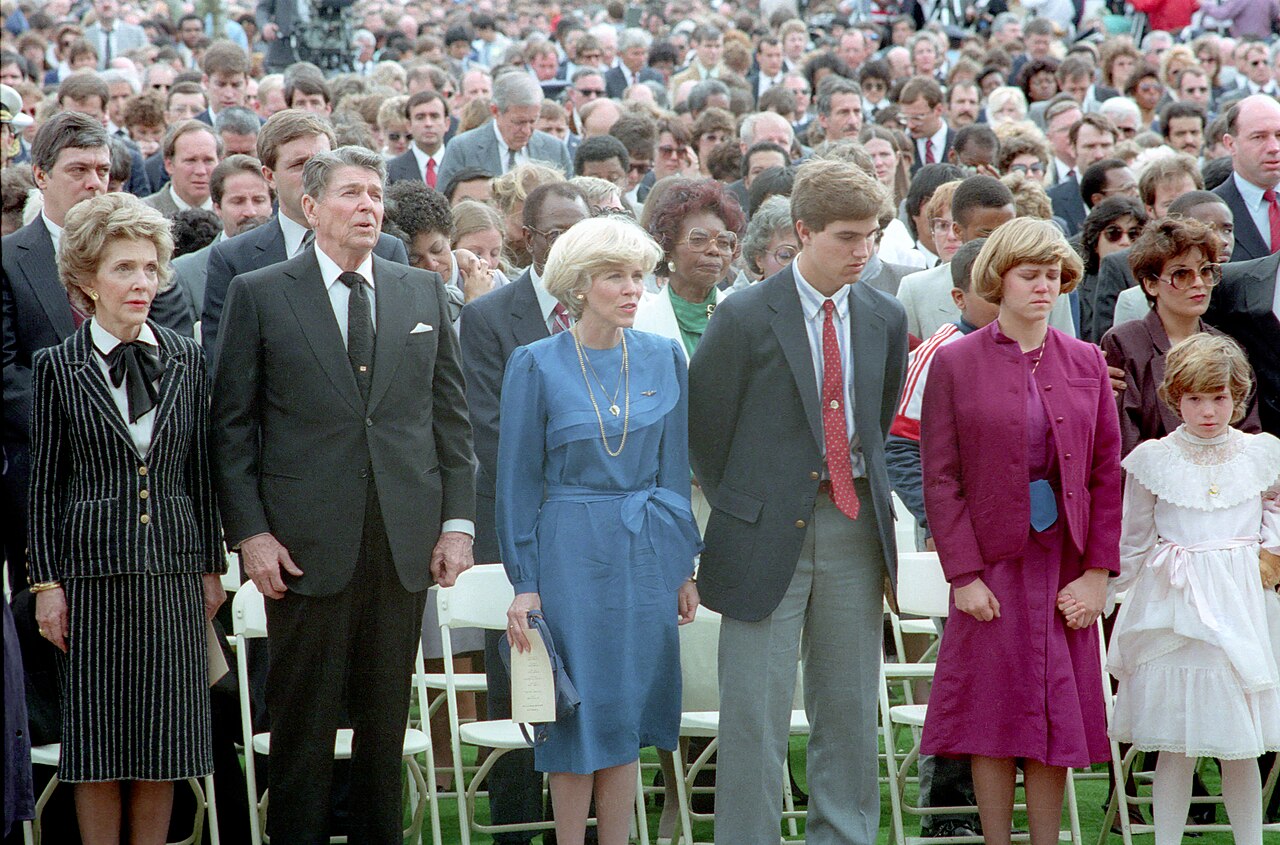
Francis Scobee, Michael Smith, Judith Resnik, Ellison Onizuka, Ronald McNair, Christa McAuliffe and Gregory Jarvis had boarded Challenger expecting to complete another mission in space.
Instead, their names became permanently linked to one of the most heartbreaking moments in the history of human spaceflight.
And for those watching the launch that morning, the image of Challenger disappearing into a cloud of smoke remains one of the most haunting moments ever broadcast live on television.
READ MORE
- Legendary woman whose code helped save the moon landing dies
- NASA scientist who ‘died three times’ explains why she no longer fears death