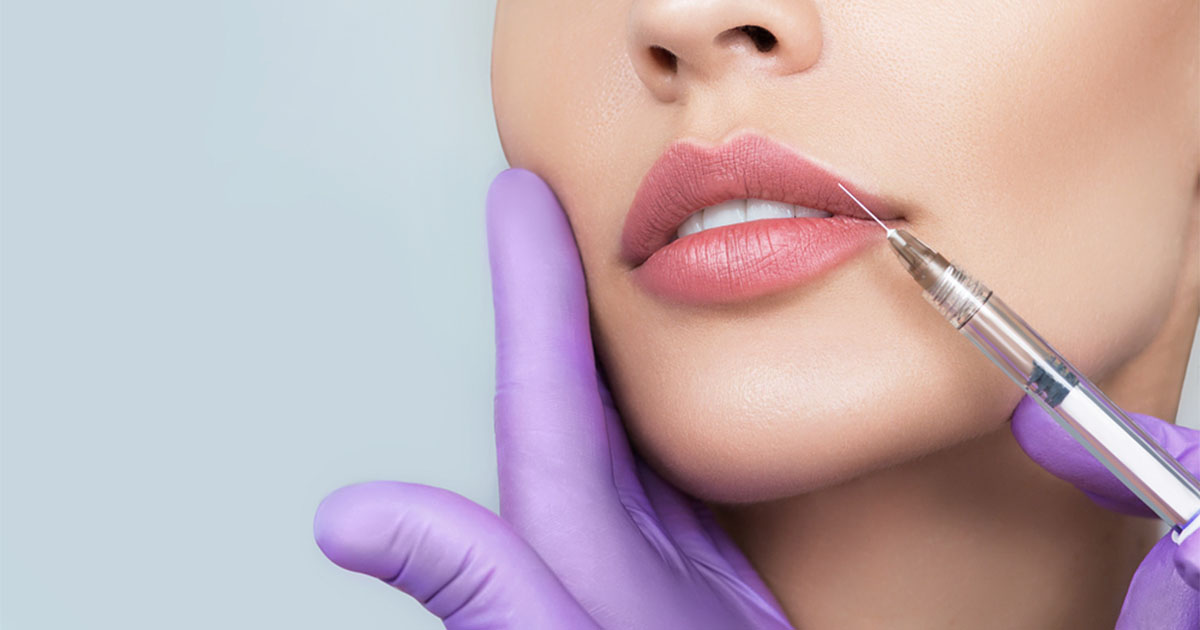
Summer sunshine has long fueled one persistent Botox rumor, with many people worrying that soaring temperatures could ruin their cosmetic injections. Now, doctors are finally weighing in on whether the heat can really melt your results.
Whether it’s smoothing fine lines or helping treat chronic migraines, Botox has become one of the world’s most popular cosmetic procedures.
Short for botulinum toxin, the injectable temporarily relaxes targeted muscles, according to the Cleveland Clinic, helping soften wrinkles while also being used to treat a range of medical conditions.
Because the effects typically last between three and four months, many patients schedule treatments throughout the year, including during the hottest months of summer.
That hasn’t stopped a common myth from making the rounds online.
Botox ‘melts’ in hot weather
Social media has been flooded with claims that spending time outdoors in hot weather can cause Botox to “melt” or wear off more quickly, leaving some people hesitant to book appointments until cooler weather returns.
According to experts, however, that’s not how the cosmetic treatment works.
Board-certified dermatologist Dr. Melanie Palm told the Daily Mail that outside temperatures have no effect on the product once it has been injected.
“Hot weather itself does not change how Botox works once it has been properly injected,” she said. “Botox and other neuromodulators work at the neuromuscular junction, where they temporarily quiet the muscle activity that creates dynamic lines.”
“The outside temperature is not going to ‘melt’ the product or make it behave differently in the skin.”
‘Temperatures don’t melt it’
Dr. Rian Maercks, a board-certified plastic surgeon, agreed.
Speaking to the outlet, the Miami-based physician explained that Botox starts binding to nerve endings soon after treatment, making everyday summer temperatures largely irrelevant.
“The toxin itself is placed into the muscle and begins binding to nerve endings within hours. Once it’s there, normal outdoor temperatures don’t ‘melt’ it or deactivate it,” Maercks said.
He believes the misconception may stem from the fact that many people’s routines change during the summer.
“The bigger issue is that people tend to be more physically active during the summer,” he explained.
“Increased exercise, travel, outdoor activities, and sun exposure may indirectly influence how patients perceive their results but heat itself is not reducing Botox effectiveness.”
Why some people notice a difference
While many people avoid booking Botox appointments during the warmer months, Palm says summer can actually be an ideal time for treatment.
“Summer can actually be a very reasonable time to treat, particularly for patients who notice they are squinting more in bright sun or who appreciate the added benefit of less sweating in treated areas like the forehead,” she said.
The doctor also stressed that aftercare is critical.
“I recommend patients skip strenuous workouts, hot yoga, saunas, steam rooms, hot tubs, and prolonged direct sun exposure that day,” Palm said, adding that people should “keep it low-key” and “avoid anything that causes significant flushing or sweating right after the appointment.”
Dr. Maercks offered similar advice, recommending that patients avoid activities that “substantially increases blood flow to the face” – such as strenuous workouts or prolonged exposure to extreme heat – for the first several hours after treatment.
“This isn’t because heat destroys Botox, but because excessive vasodilation immediately after treatment may increase swelling or bruising,” he explained, referring to the widening of blood vessels, which increases blood flow to an area of the body.
Benefit of Botox in summer
Although hot weather doesn’t weaken Botox, Palm says some patients may experience an unexpected side effect once temperatures climb.
“One interesting thing patients may notice in warmer months is actually less sweating in the treated areas,” Palm told the Daily Mail.
“Botox and other neuromodulators can reduce activity in eccrine glands, which are the sweat glands responsible for sweat production,” she said, adding that “patients may be pleasantly surprised” to “have less sweating on the forehead or other treated areas of the face during hot weather.”
So, while summer heat may leave you reaching for sunscreen and plenty of water, experts say it isn’t a reason to postpone your next Botox appointment. According to doctors, the biggest threat to your results isn’t the temperature outside – it’s believing a myth that refuses to cool down.
Please let us know what you think of this story and pass it along so we can hear from others!
READ MORE
- Shock MRI scan reveals what actually happens to facial fillers years later
- Identical twins share shock results after one used Botox for 20 years and the other didn’t