Households are being encouraged to prepare for the possibility of going three days without essential services. Emergency preparedness advice lists the supplies people should have ready before disaster strikes.
Losing electricity, running water, or phone service can quickly disrupt daily life, especially if an emergency situation makes it hard to leave home.
The recommendation is to keep enough essentials on hand to manage on your own for 72 hours. That includes drinking water, food, medication, and a way to stay informed if normal services go down. According to the Red Cross, preparing in advance can help households get through short-term disruption without being caught off guard.
A power cut could leave people unable to charge their phones, cook meals, or keep their homes warm. A water outage could affect everything from drinking and washing to preparing food. Losing internet or phone signal could make it harder to reach loved ones, get updates, or use online services.
Why are governments urging people to stock up?
Governments around the world are encouraging residents to keep emergency supplies at home as concerns grow over extreme weather, climate-related events, international conflict, and cyberattacks.
The advice isn’t limited to one country. France recommends enough supplies to last 72 hours, while Germany advises preparing for up to 10 days. Japan, which has plenty of experience preparing for earthquakes, treats three days as the minimum and encourages households to aim for a week where possible.
There are also growing worries that hostile states, cyberattacks, and sabotage could disrupt critical infrastructure and everyday services without any conventional military attack.
According to CNBC, having enough supplies for the first three days gives authorities and emergency responders time to deal with the immediate aftermath of a crisis.
In severe flooding, for example, emergency crews have to prioritize rescuing people in immediate danger, carrying out evacuations, and keeping hospitals running. That means other households may need to rely on their own food, water, and supplies while the response gets underway.
The 72-hour target is also a practical middle ground. It offers a buffer during major disruptions without asking families to store huge amounts of food and other necessities.
What are US specific guidelines?
The advice in the US is similar. FEMA’s Ready.gov campaign recommends that households have their own food, water, cash, and other supplies to last at least three days. It says people in remote or hard-to-reach areas may need to plan for longer, since a power outage can also make it difficult to get to a store or bank.
For water, Ready.gov recommends at least a gallon per person per day. Its suggested kit also includes non-perishable food such as dried fruit, peanut butter, and energy bars. Like the British Red Cross, it asks households to tailor their kit to who lives there, including pets, older relatives, and anyone with special medical or accessibility needs.
What should you keep at home?
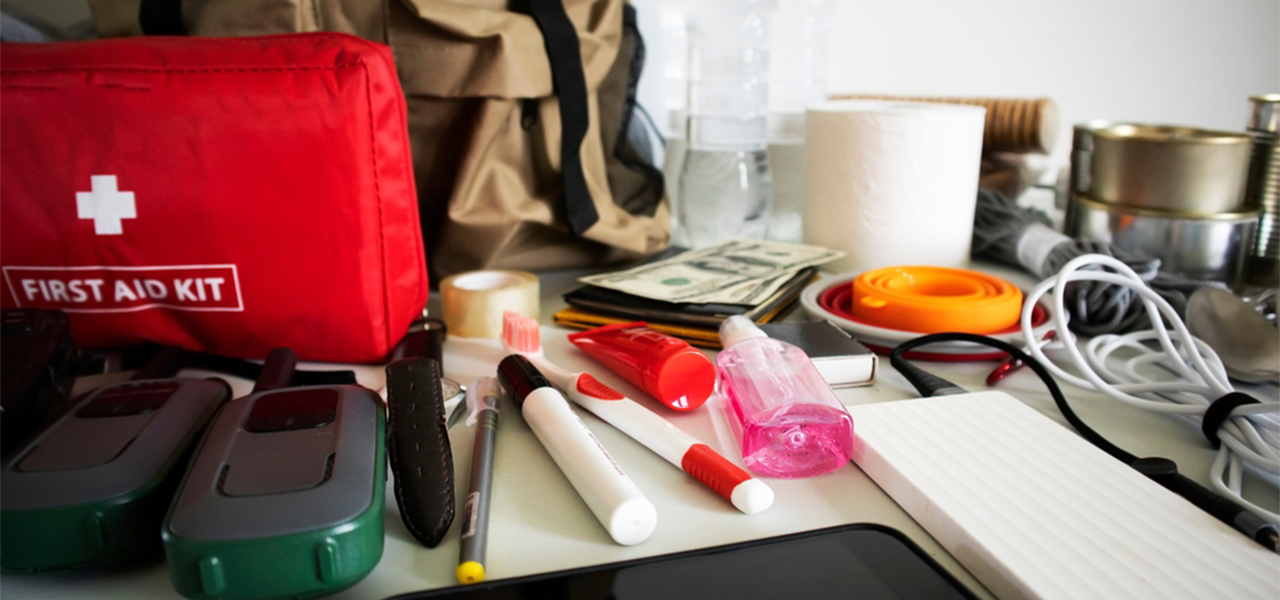
One of the most important steps is putting together a basic emergency kit with enough supplies for three days.
Households should aim to have enough drinking water and food that doesn’t need cooking, along with essential medication and basic first aid supplies. A working flashlight, spare batteries, and a fully charged power bank can also help if the electricity goes out. Basic hygiene items such as wet wipes and hand sanitizer are worth including too, particularly if running water is cut off .
Supplies should also reflect the needs of everyone in the household. Families with young children may need extra baby food, formula, diapers, and medication. People with pets should make sure they have enough food, water, and any necessary medication for their animals. Those who rely on medical equipment or mobility aids should think about what backup arrangements they might need if services are interrupted.
How can you prepare your household?
Having supplies ready is only part of the picture.
Households should also think about how they would communicate if phone networks or the internet stopped working. Agreeing on a meeting point, writing down important contact numbers, and making sure everyone knows where essential documents are kept can help avoid confusion.
It’s also worth knowing how family members would respond if they had to leave home quickly, including how to safely shut off gas, electricity, and water.
Checking on friends, relatives, and neighbors who might need extra help is another important step. Older people, people with disabilities, and those who may struggle to get information or supplies could need more support during an emergency.
Staying informed matters too. Consider signing up for local weather and flood alerts, and learn about the risks that could affect your area.
Preparing doesn’t have to be expensive or happen all at once. Starting with what you already have and slowly adding missing items can make it more manageable, and even a small box, bag, or cupboard can hold the most important essentials.
The guidelines exist to facilitate people in times of emergency, not to create panic or fuel speculation. Share this with others so they can benefit from them as well!
Read more: