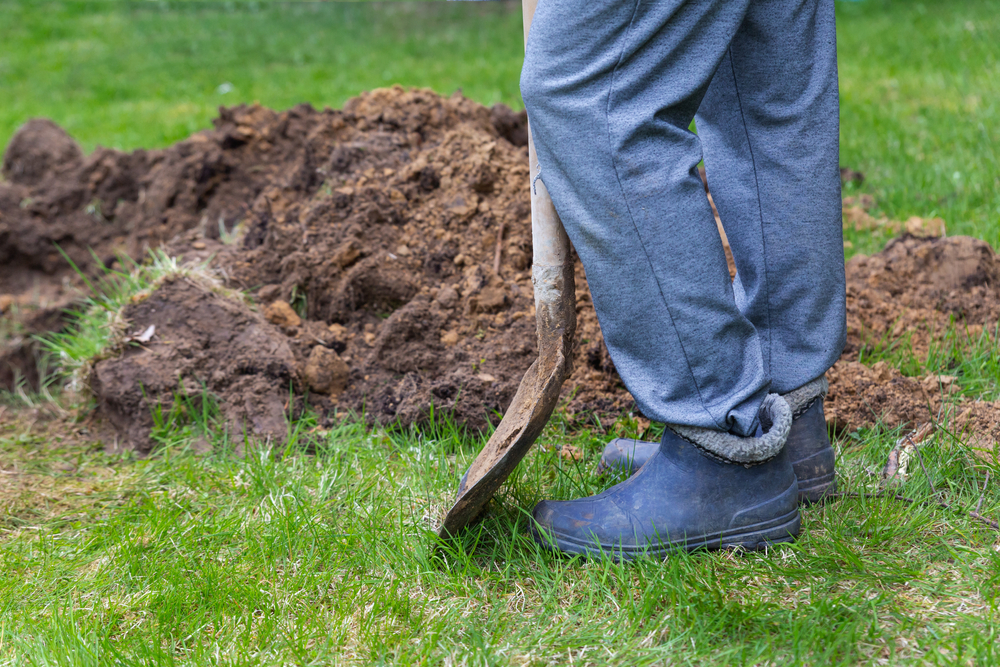
The US Army has trained soldiers to dig temporary battlefield graves at a scale it hasn’t practiced since the Korean War, as it prepares for the possibility of a high-intensity conflict that produces large numbers of casualties
The exercise, called Operation Dragon Covenant, took place on October 20 and 21 at Fort Bragg in North Carolina. Soldiers from the 3rd Corps Sustainment Command and the 20th Engineer Brigade used bulldozers to dig temporary burial trenches, while fatality management specialists and chaplains took part alongside them, according to the Army’s own announcement.
No human remains were used. Soldiers placed simulated skeletal models and sealed water containers inside burial bags to test whether heavy equipment could cover the graves without damaging remains that would eventually need to be recovered.
What did the exercise test?
According to the Army, the goal was to learn how quickly engineers could prepare temporary graves without damaging remains. Operators from the 27th Engineer Battalion, 20th Engineer Brigade used D6 bulldozers and completed a trench designed for 20 remains in an average of one hour and 15 minutes, CBS17 reports.
The aim is to make sure fallen service members can eventually be safely recovered, identified, and brought home once fighting ends. According to a report by Army Times, the exercise was an operational reality the Army hasn’t executed at scale since the Korean War.
“This exercise allowed us to take a critical look at how we respect, honor, and systematically manage our fallen in a high-intensity conflict,” said Sgt. 1st Class Delbert Ruede, the senior fatality management noncommissioned officer for the 3rd Corps Sustainment Command.
Why is the Army training for this now?
In recent conflicts, the military’s existing mortuary affairs system could handle American casualties. Remains were recovered, flown to Dover Air Force Base in Delaware, identified, and returned to families.
That process depends on being able to evacuate casualties. In a large-scale conflict, where air evacuation may not be possible, the Army says it needs another option, and temporary burial is one way to preserve remains until they can be recovered. The exercise also found gaps in existing guidance. The published spacing between rows was too narrow for a bulldozer to work without disturbing neighboring trenches, according to JFeed’s report.
What role did chaplains play?
The exercise included about 130 chaplains and religious support personnel from across the 18th Airborne Corps. It was the first time in more than 20 years that Army chaplains trained to provide religious support for temporary battlefield burials, the Army said.
Before the first bulldozer began digging, Chaplain (Maj.) Warwick Fuller of the 20th Engineer Brigade opened the interment site with an invocation.
What happens next?
The 3rd Corps Sustainment Command plans to carry out a third phase next spring, which will be held in both daytime and blackout conditions using night-vision equipment and will include security teams and a mortuary affairs collection point. The Army will use the lessons to update its procedures for battlefield fatality management and religious support.
Share this with others who like to keep up to date with the latest news stories from around the world.
Read more: