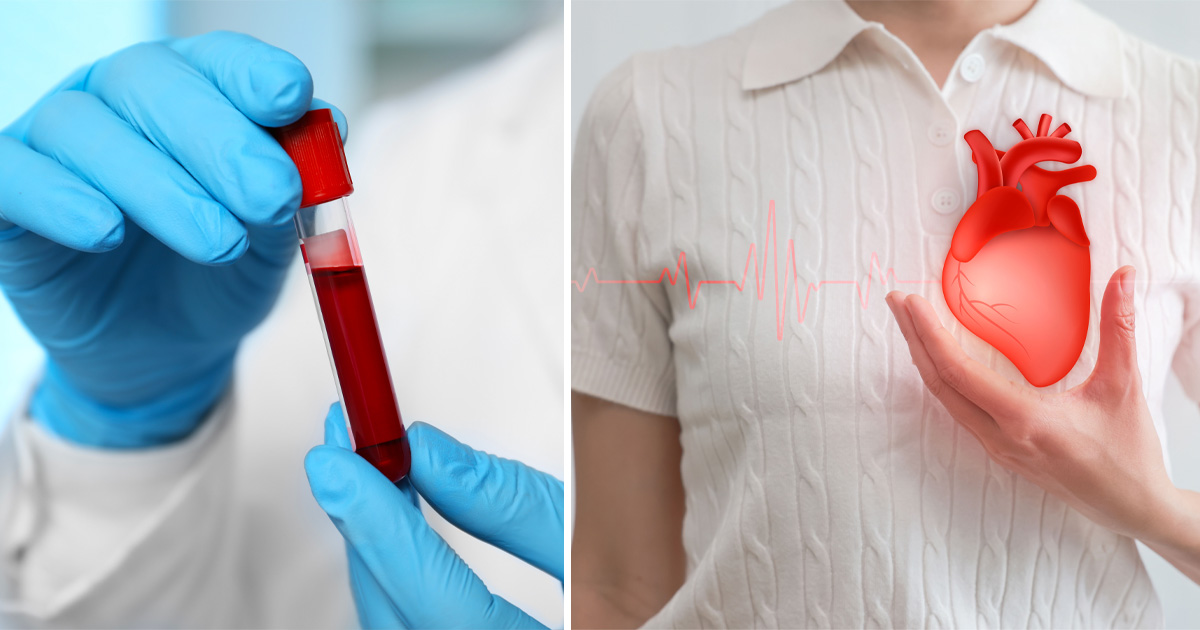
Your blood type might play a role in your risk for serious health issues, including heart attacks, blood clots, and even certain cancers.
When it comes to our health, most people want to feel in control. But while habits and lifestyle choices matter, they’re only part of the picture. Even if we do everything “right,” unexpected health issues can still arise.
We already know that regular exercise, managing stress, eating nutritious foods, and getting enough sleep all support overall health. But genetics also play a role – and, as it turns out, so does blood type.
According to Northwestern Medicine, your blood type may help indicate whether you’re more or less likely to develop conditions such as heart attacks and blood clots.
Different blood types
There are four main blood types: A, B, AB, and O. Each can be either positive or negative, depending on whether the blood carries the rhesus (Rh) protein.
Research suggests that people with Type O blood, both positive and negative, have the lowest risk of heart attacks and blood clotting, according to Tyla.
This is believed to be because individuals with other blood types tend to have higher levels of certain proteins that promote clotting. In simple terms, their blood may be more prone to thickening, which can increase the risk of clots.
Blood clots aren’t the only condition where Type O may offer some protection. Studies have also shown a potential reduced risk of certain colorectal cancers. According to New York Post, researchers also found that people with blood type O had a 12% lower risk of stroke compared to those with types A, B, and AB.
That said, maintaining a healthy lifestyle remains essential for everyone, regardless of blood type. The CDC recommends eating balanced meals, limiting alcohol intake, maintaining a healthy weight, exercising regularly, and avoiding smoking.
If you believe you may be at risk for any health issues, it’s important to seek medical care.
READ MORE
- Chuck Norris’s final post just days before his death confirms what we all suspected
- Here’s every female celebrity named in the Epstein files