Many have publicly criticized Dwayne Johnson after the actor announced that he no longer plans to speak openly about politics, calling the former wrestler a “coward” and reigniting debate over whether celebrities have a responsibility to use their platforms for political causes.
Keep reading to learn more.
The controversy began after when ‘The Rock,’ Johnson spoke candidly about politics in a June 11 interview with Esquire, explaining that he has decided to keep his political beliefs private moving forward. The actor, who previously endorsed Joe Biden during the 2020 presidential election, said years of public scrutiny convinced him that discussing politics only created unnecessary division and distracted from the work he is most passionate about.
“What I have learned through experience is that I need to keep—the main thing the main thing,” Johnson said. “The main thing for me… is creating. It’s art. It’s storytelling.”
The Moana and Black Adam star went on to explain that he has grown increasingly frustrated with today’s political climate, describing it as exhausting and overly hostile.
“I’ve learned I’m going to keep my politics to myself,” he said. “Politics is omnipresent, and it’s forever. I don’t like it. I hate it at times. I hate the slinging. I hate all the bulls— that comes with it.”
Rather than watching public figures exchange insults online or from podiums, Johnson suggested that people with opposing viewpoints should meet privately and have genuine conversations. Referencing musician Bruce Springsteen’s criticism of Donald Trump during concerts, Johnson said his first thought was, “Why don’t they talk? They should sit down and talk.”
His comments quickly spread across social media, where reactions proved sharply divided.
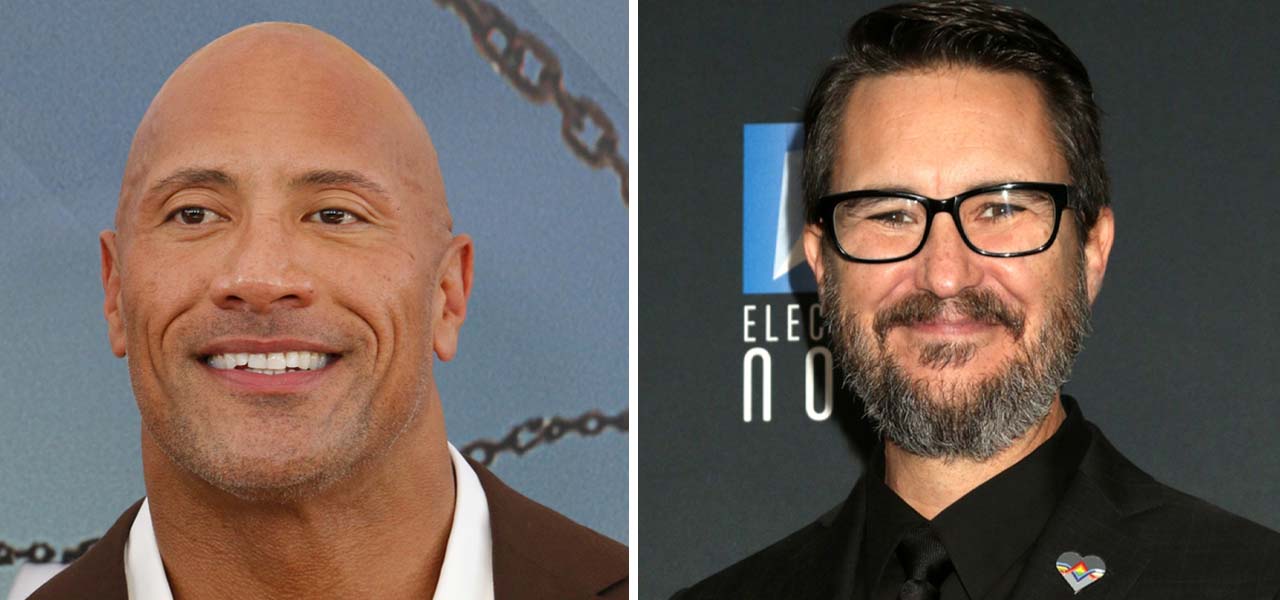
Among Johnson’s most vocal critics was actor Wil Wheaton, who responded to a Threads post shared by fellow actor George Takei. Wheaton didn’t mince words.
“So disappointing to find out he is such a coward,” he wrote.
Takei also condemned Johnson’s position, arguing that remaining silent on political issues amounts to “complicity.”
Johnson’s decision to step away from political endorsements stems largely from his experience supporting Joe Biden in 2020. At the time, he said he believed endorsing the Democratic candidate was the responsible thing to do. However, he later admitted that the reaction from fans left him questioning whether celebrities should involve themselves in politics at all.
Speaking to Fox News in 2024, Johnson said the endorsement created a level of division that deeply troubled him.
“The endorsement that I made years ago with Biden was one I thought was the best decision for me at that time,” he explained. “But what I realized—what that caused back then—was something that tears me up in my guts… which is division.”
“And that got me,” he added.
Johnson later confirmed that he would no longer endorse presidential candidates publicly, saying his political choices would remain “between me and the ballot box.”
Despite distancing himself from party politics, Johnson has continued speaking out about major national events. Following the attempted assassination of Donald Trump during a Pennsylvania campaign rally in July 2024, the actor strongly condemned the attack.
“Whether you love Donald, don’t love Donald, it doesn’t matter,” Johnson said. “They tried to assassinate him. There’s no room for that.”
As Wheaton’s criticism gained traction, social media users quickly split into opposing camps. While some agreed with Wheaton, others defended Johnson.
“So it’s mandatory now for actors to talk politics?” one user asked.”We should all keep political views private. The world would be better,” one person wrote.
Another added, “He doesn’t have to share his political views. It’s respectful that he doesn’t shove his political views in everyone’s face”
What do you think of this debate? What side do you land on? Let us know in the comments section on Facebook.
READ MORE