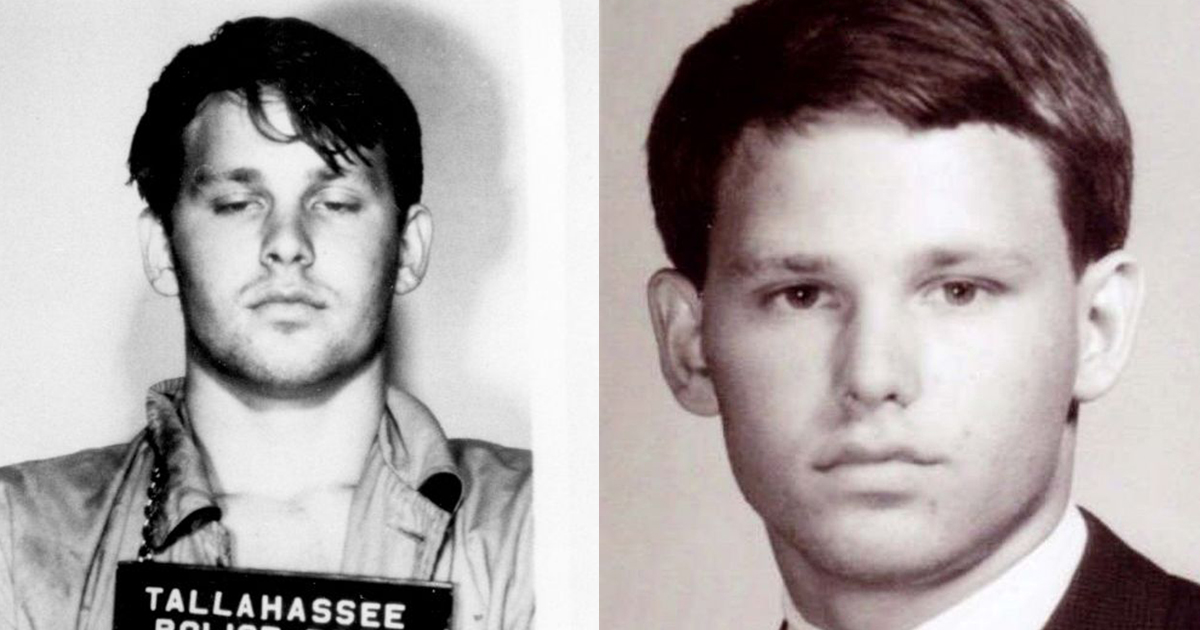
With his hypnotic looks, poetic lyrics, and magnetic stage presence, he seemed destined for immortality.
But behind the fame was a life spiraling fast out of control.
There are a few people who truly defined what it meant to live “rock ’n’ roll” in its purest, most dangerous form. Today, we’re taking a closer look at one of them, without a doubt one of the most legendary figures in music history.
Many would even argue that he deserves a place among the greatest rock stars of all time. He was a performer who captivated both adults and even many younger fans on tour, sending crowds into a frenzy as he moved, stayed, and sang with intense energy on stage.
And he lived the rock ‘n’ roll lifestyle until the very end.
A lesser-known detail
Our star was born on December 8, 1943, in Melbourne, Florida, and came into the world in a stable family.
A lesser-known detail is that his father was a rear admiral in the U.S. Navy, who commanded Carrier Division during the Gulf of Tonkin incident.
When our star was just three or four years old, he reportedly experienced a moment that would later take on almost myth-like significance in his memory.
In 1947, while traveling through the deserts of northern New Mexico, his family is said to have passed a horrific road accident involving an overturned truck.
Several injured people, believed to be Native Americans, lay by the roadside — a haunting scene that left a deep and lasting impression on the young child.
Years later, the rock legend would describe it in strikingly vivid and almost supernatural terms, recalling the presence of Native Americans and suggesting that the experience felt like something beyond ordinary reality.
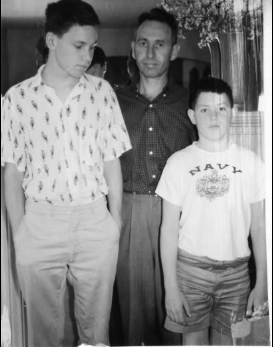
He believed that the spirits or ghosts of those “dead Indians” had entered his soul, saying he felt like “a sponge, ready to sit there and absorb it.”
The star later described the incident as the most formative moment of his life and often returned to it in the imagery of his songs, poems, and interviews. Some of his most well-known songs were also inspired by these events.
However, those who were there at the time remembered it differently. His family acknowledged that they did pass a crash site, but described it as far less dramatic than later accounts suggested. His father recalled seeing injured people near the road, but not the vivid, symbolic scene the singer would later portray.
Signs of rebellion
Fast forward a few years, and it becomes clear that his childhood was defined by constant upheaval, as his father moved the family from one military posting to another across the United States.
This unsettled upbringing meant a life of shifting schools, new environments, and fleeting relationships, which reportedly contributed to a deep sense of restlessness.
According to author David Comfort, who wrote The Rock & Roll Book of the Dead, the singer once described his childhood as “an open sore” and later even claimed that he was an orphan.
After his family settled in Claremont, California, signs of rebellion began to appear early. While he was once a strong student and athletic, a more defiant side gradually emerged. As a child, he was even removed from the Cub Scouts due to disruptive behavior and disrespect toward his den mother — an early hint of the rule-breaking attitude that would later define his public image.
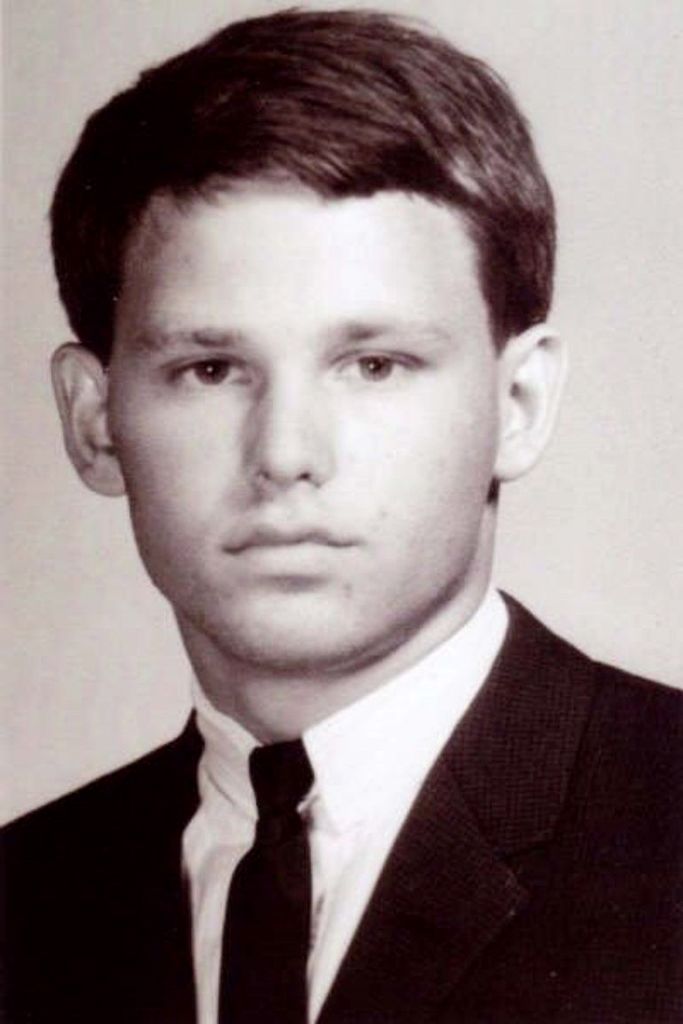
According to rock biographer Stephen Davis, the singer later revealed deeply personal trauma during a legal interview in 1969 while defending himself against an indecency charge. Davis reports that during questioning about a controversial onstage incident, he linked his actions to his parents, suggesting it was a form of “homage.”
Lived on canned beans and LSD
The conversation then reportedly turned darker, with him disclosing that he had been sexually abused as a child by someone close to his family.
He allegedly refused to name the individual, but described the person as someone within his family circle. When he tried to tell his mother at the time, she reportedly dismissed him and accused him of lying, insisting it could not have happened.
By the middle of 1965, after earning a bachelor’s degree from UCLA’s film school, he had embraced a bohemian lifestyle in Venice Beach.
Living on the rooftop of a building shared by his former classmate Dennis Jakob, he spent his days writing lyrics that would later become some of the band’s earliest songs, including “Moonlight Drive” and “Hello, I Love You.”
According to fellow student Ray Manzarek, he survived for months on little more than canned beans and LSD. It was also during that summer that he and Manzarek — who had met earlier as cinematography students — came together to form what would become a legendary band.
The band took its name from the English writer Aldous Huxley’s book The Doors of Perception, itself inspired by a quote from the poet William Blake.
Heavy drinking
After signing with Elektra Records in 1966, the group went on to record and release six studio albums in just five years — many of which are still widely regarded as some of the greatest albums ever made.
Charismatic and unpredictable, our star was the vocalist captivated audiences with a voice that felt almost hypnotic and lyrics that leaned into poetry, rebellion, and darkness. On stage, he wasn’t just performing — he was unraveling in real time, feeding off chaos as much as music.
But off stage, the story was far more fractured.
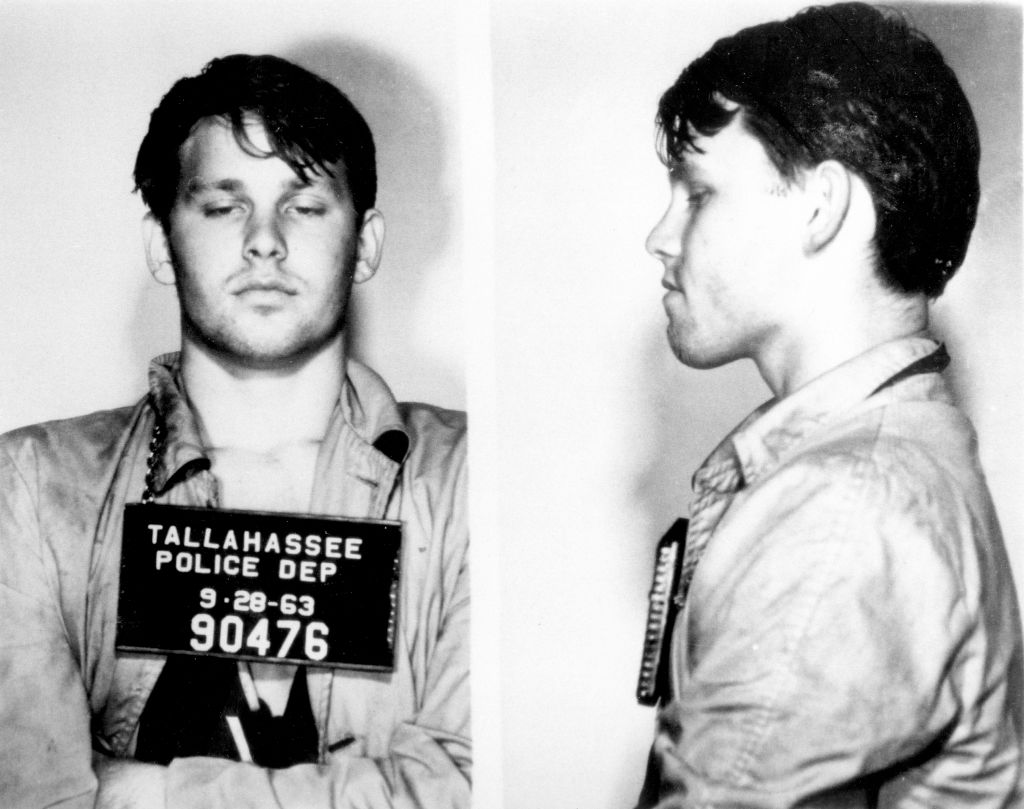
Heavy drinking became a constant companion, eventually escalating into full-blown alcoholism that affected recording sessions and live performances.
Studio work grew increasingly erratic, with collaborators recalling blackouts, missed cues, and a growing inability to stay grounded during production.
”I went through a period where I drank a lot.I had a lot of pressures hanging over me that I couldn’t cope with. I think also that drinking is a way to cope with living in a crowded environment, and also a product of boredom,” he told Los Angeles Free Press in 1971.
Legal trouble followed him almost everywhere he went. Arrests for public drunkenness, disorderly conduct, and indecent behavior added to his reputation as one of rock’s most controversial figures.
The infamous concert
One infamous concert, in Florida, even ended with charges after a chaotic performance that left both fans and authorities stunned. When the rock star first heard about the charges — lewd and lascivious behavior, indecent exposure, profanity, and drunkenness — he initially dismissed it as a prank. But it didn’t take long for him to realize that authorities in Miami were completely serious.
He was sentenced to six months in prison and a $500 fine.
His personal relationships were just as turbulent.
Intense, passionate, and often destructive, they were marked by substance abuse, jealousy, and long cycles of reconciliation and collapse. Love and conflict seemed permanently intertwined in his private life.
Drug use added another layer of instability. Combined with alcohol, it intensified mood swings, impulsive behavior, and the sense that his life was accelerating toward collapse. Friends and bandmates later described a man who seemed both brilliantly creative and dangerously self-destructive at the same time.
How it ended
By the final years, even live performances reflected the decline. Lyrics were forgotten, shows were abandoned mid-set, and audiences witnessed a once-electric performer struggling to hold himself together on stage.
Eventually, even his bandmates reached a breaking point and stopped touring with him entirely.
In 1971, while living in Paris, he was found dead in a bathtub at just 27 years old, with heart failure officially listed as the cause — though speculation and mystery would follow for decades.
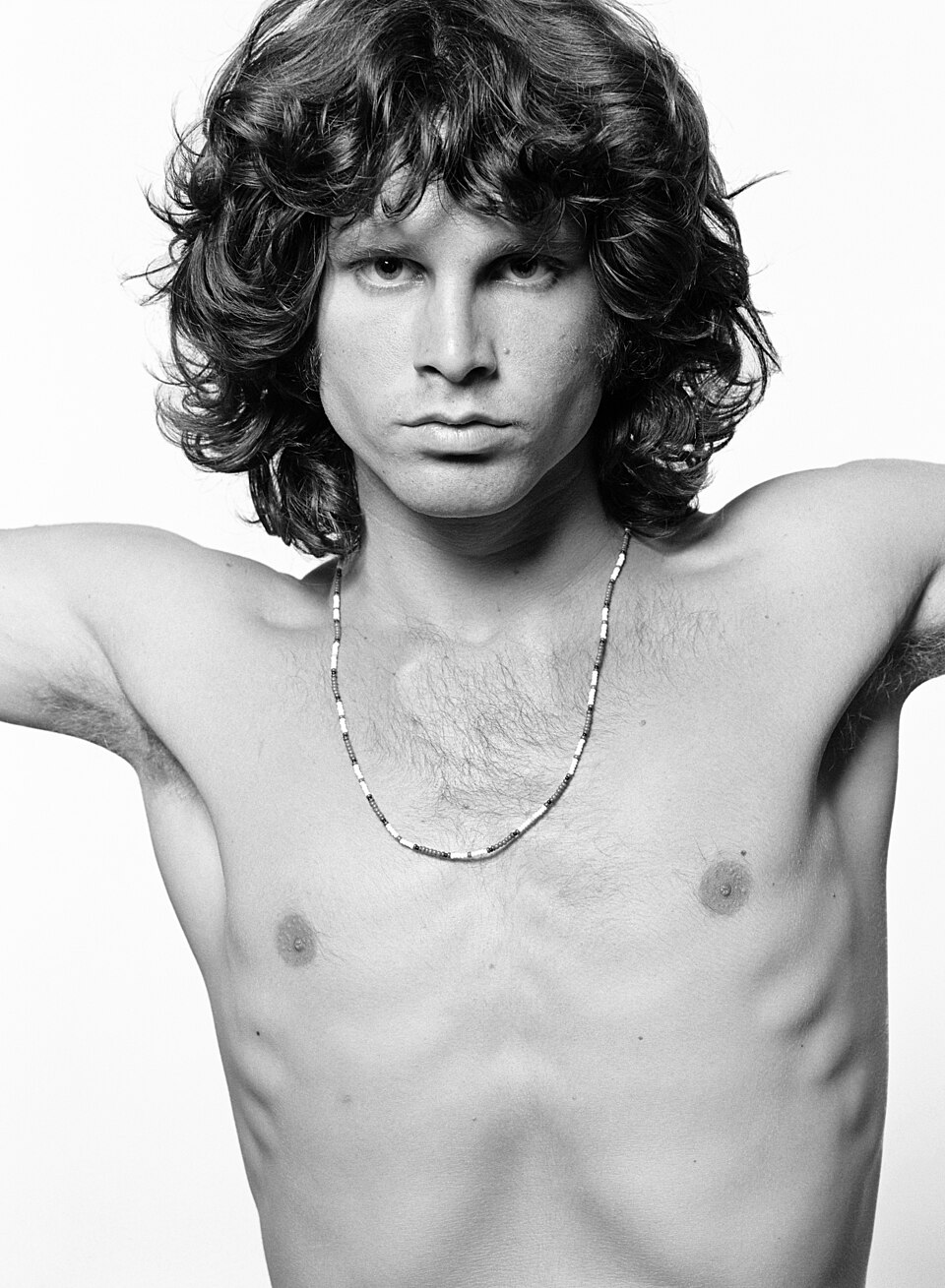
His name, of course, was Jim Morrison.
READ MORE
- Keanu Reeves’ dramatic new look turns heads
- This former child star just turned 65 and fans can’t believe the transformation