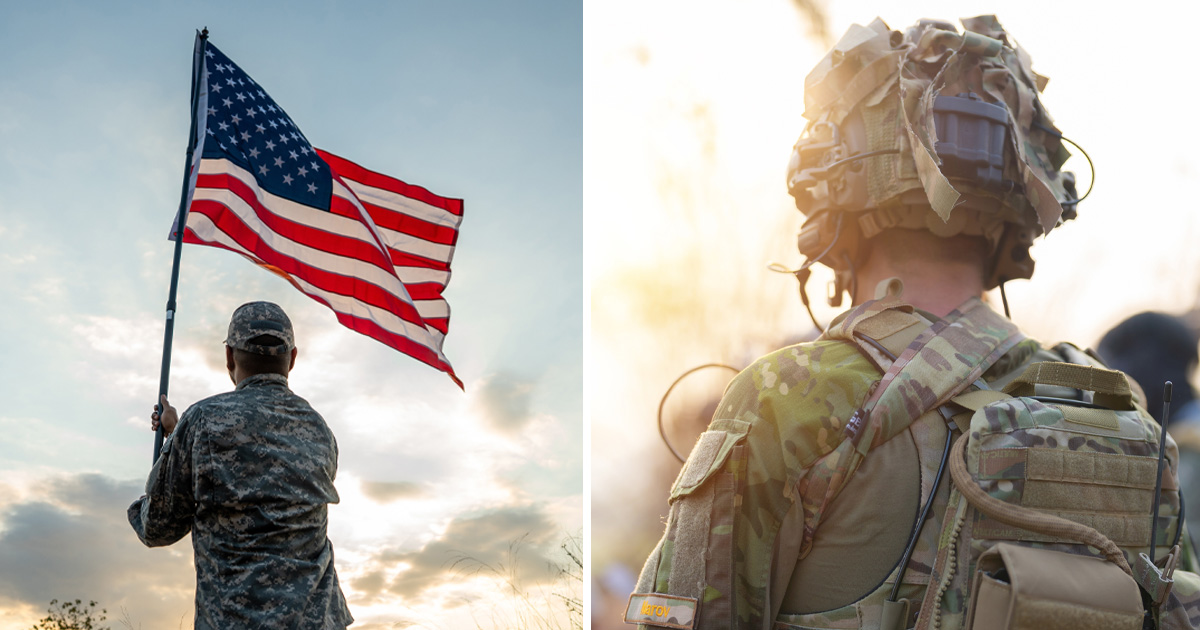
If a full-blown war were to break out, not all Americans would be called to serve. Certain exemptions exist – and medical conditions are among the key factors.
Since returning to office, Donald Trump has been busy, to say the least. He has authorized several military operations, and as tensions continue to rise amid the conflict in Iran, many are beginning to question what would happen if a major war were to break out – potentially leading to a military draft.
According to USA.gov, “The Selective Service program requires eligible men to sign up for military service. Military service in the U.S. is voluntary. But most young men must register with Selective Service.”
As of 2025, all male U.S. citizens and residents between the ages of 18 and 25 are required to register. This includes undocumented immigrants, green card holders, and refugees. Failing to do so is a federal felony, “punishable by fines or a prison sentence. And you may not be eligible for federal jobs, citizenship, or state-funded student financial aid.”
Karoline Leavitt asked about a potential military draft
The subject of a potential draft was reportedly raised during Sunday Morning Futures, where White House Press Secretary Karoline Leavitt was asked to reassure concerned American parents.
Focusing on worried mothers, she was asked whether “we’re going to have a draft, that they’re going to see their sons and daughters get involved in this,” according to VT.
She said there are currently no plans to activate a draft, but added that Donald Trump “wisely keeps his options on the table.”
Defense Secretary Pete Hegseth later told CBS News: “We’re willing to go as far as we need to in order to be successful.”
If a draft were to be activated, selections would proceed by age group, starting with 20-year-olds. Medical and psychological screenings would then determine who is fit to serve.
These U.S. citizens would be safe from the draft
Exemptions from a military draft may apply to women, students, individuals who oppose war on religious or moral grounds, essential workers, and certain skilled professionals.
Individuals with certain medical or mental health conditions may also be exempt. In terms of mental health, conditions such as bipolar disorder, PTSD, or depression could be grounds for exemption.
Ultimately, medical screenings determine whether an individual is fit for service. Neurological conditions, heart problems, respiratory issues, musculoskeletal conditions, and chronic illnesses requiring ongoing medication may all qualify for exemption, according to VT.
That said, decisions are made on a case-by-case basis. Even if someone is not deployed to the front lines, they may still be assigned other roles where they can contribute.
READ MORE
- Melania Trump’s ‘evil’ comment to Macron’s wife exposed by lip reader
- Lion King composer sues comedian for $27m after ‘Circle of Life’ lyrics joke