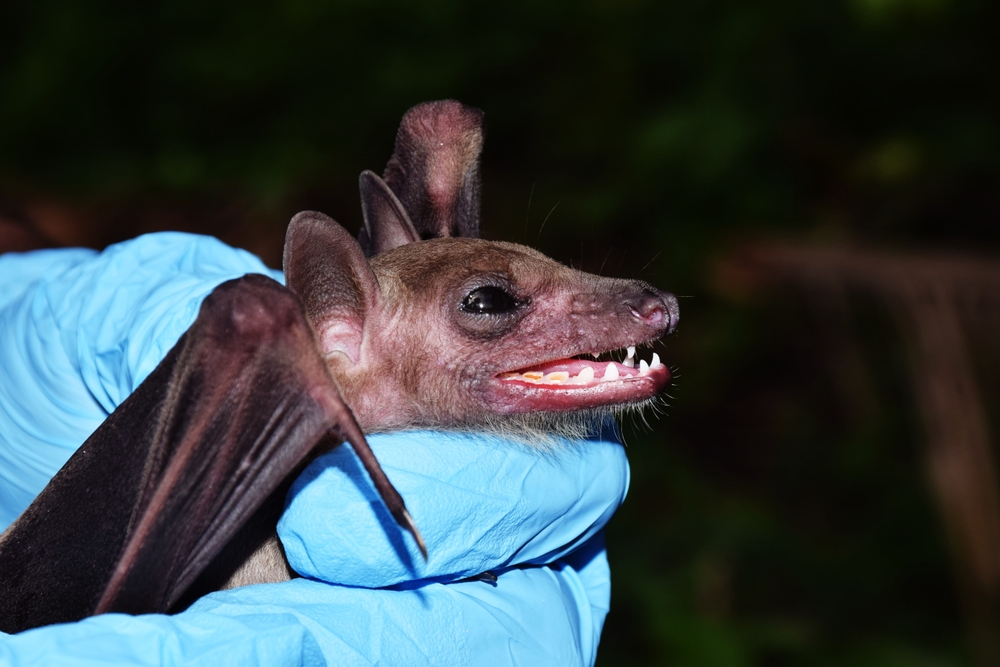
An 11-year-old Canadian boy has died from rabies after waking up with a bat lying across his face while staying at a family cottage, prompting doctors to issue an urgent warning.
Keep reading to know more.
The tragic case of an 11-year-old boy, published in the Canadian Medical Association Journal on June 29, is being shared by medical experts in the hope of preventing similar deaths. According to the report, the boy and his family were spending the summer of 2024 at a cottage in northern Ontario when he awoke to find a bat covering his nose and mouth. His father reportedly removed the animal by trapping it in a pan before releasing it outside.
Because the boy had no visible bite marks or scratches, his parents did not initially seek medical attention. At the time, there appeared to be no indication that he had been exposed to rabies, a virus typically transmitted through the saliva of infected animals.
Nearly three weeks later, however, the child’s condition changed dramatically. Nineteen days after the encounter, he was taken to an emergency department suffering from vomiting, facial tingling, and numbness. Doctors eventually determined that he had contracted rabies despite the absence of any visible wound.
But by that stage, it was too late.
Once symptoms of rabies begin to appear, the disease is almost always fatal. Despite medical efforts, the boy died just weeks after the encounter.
His case has since become the focus of renewed warnings from infectious disease specialists, who stress that bat bites can be so small they often go unnoticed.
Dr. Brian Hummel, a pediatric infectious disease specialist at McMaster Children’s Hospital and one of the physicians involved in the report, said anyone who has direct contact with a bat should immediately consult public health officials, regardless of whether they can identify a bite or scratch.
“Any direct human contact with a bat, even in the absence of a visible bite or scratch, is an indication that rabies post-exposure prophylaxis should be discussed with public health authorities,” Hummel said.
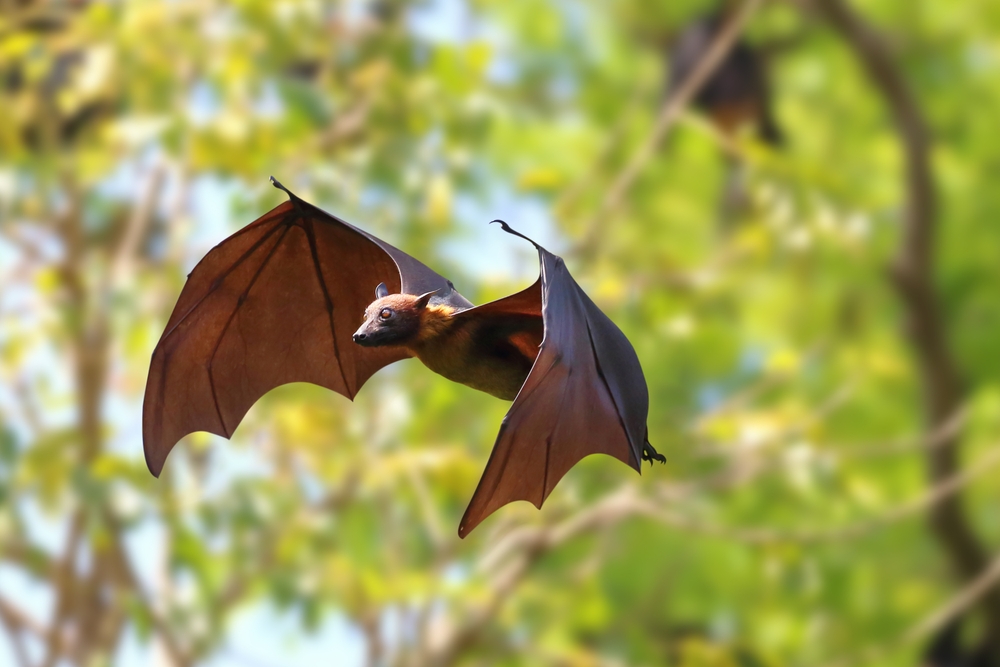
Rabies post-exposure prophylaxis (PEP) is an emergency treatment that can prevent the virus from developing if administered promptly after exposure. According to the World Health Organization, the treatment consists of wound cleaning, rabies immunoglobulin in some cases, and a series of vaccinations that are highly effective when given before symptoms develop.
Doctors say timing is critical because once neurological symptoms appear, there is currently no effective cure for rabies.
Hummel explained that both the medical team and the boy’s family wanted to use the heartbreaking case to educate others about the hidden risks associated with bats.
“It was important to us and to the family to take the opportunity to find learning experiences and lessons that we could take from his case to try and help spread awareness and understanding of rabies infection and risks,” he told CBC.
Health experts emphasize that while rabies infections in humans are rare in Canada, bats remain one of the country’s primary wildlife carriers of the virus. Because their teeth are extremely small, bites may leave little or no visible evidence, making it impossible to rule out exposure based solely on appearance.
Medical professionals now urge anyone who wakes up to find a bat in their room—or has any direct physical contact with one—to seek immediate medical advice rather than assuming they are safe if no injuries are visible.
Share this with others to help them understand the gravity of contact with bats.
READ MORE
- 9-year-old left with burns after trying social media trend
- Florida couple make decision after being given baby who is not genetically theirs in mix-up