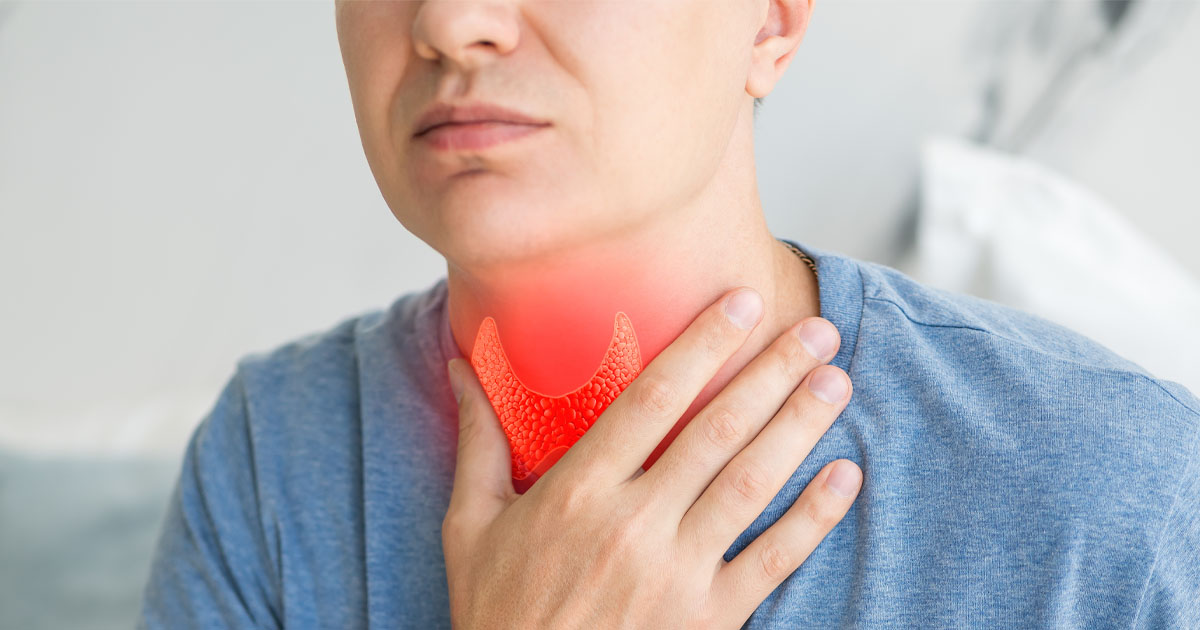
An expert is shedding light on why men are far more likely to develop HPV-related throat cancers.
HPV, human papillomavirus, is a common STI, with around 14 out of 200 strains known to cause cancer. According to the CDC, roughly 10 percent of men and 3.6 percent of women are known to carry HPV.
Most infections clear up on their own, and health officials say nearly everyone who is sexually active will contract HPV at some point, but there are some cases which are more serious than others.
In most cases, the virus disappears within a year or two and doesn’t require treatment. But for some people, it can quietly linger, and that’s where the risk comes in.
What is HPV?
According to Mayo Clinic, “some types of genital HPV can cause cancer of the lower part of the uterus that connects to the vagina, called the cervix. Other types of cancers have been linked to HPV infection. These include cancers of the anus, penis, vagina, vulva and back of the throat. Cancer at the back of the throat is called oropharyngeal cancer.”
Actor Michael Douglas opened up about his stage four throat cancer diagnosis in 2010, later suggesting it may have been linked to oral sex. He did, however, also pointed to other risk factors such as smoking and drinking.
Researchers say men are more affected than women. In the UK, around two in three new HPV-related head and neck cancer cases are diagnosed in men, according to VT.
The HPV vaccine
Karis Betts, cancer epidemiologist at Cancer Research UK, says one of the challenges is how long the virus can go unnoticed.
“It can take decades” for HPV to show up, she told LADbible.
“There are studies that look at risk for different people. Straight women who have sex with men have a higher risk than women who have sex exclusively with women. And men who have sex with men have higher risk than straight men.
“The HPV vaccine is also available up to age 40 for men who have sex with men because the risk is slightly higher.
“Men have higher rates of head and neck cancers than women. This kind of historically links to other risk factors as well.
“If you look a few decades ago, there were really high rates of smoking in men, high rates of alcohol, and they’ve consistently been higher than women.
“Men have higher rates of head and neck cancers, particularly in the mouth and throat, and these cancers are also caused by other things that are more prevalent in men.”
Smoking and alcohol far more likely to cause cancer
She also said that: “Smoking and alcohol are going to be much bigger drivers of head and neck cancers than HPV”.
According to the CDC, “HPV is most commonly spread during vaginal or anal sex. It also spreads through close skin-to-skin touching during sex. A person with HPV can pass the infection to someone even when they have no signs or symptoms.”
When it comes to prevention, Betts says the focus should be on vaccination and routine screening.
“The big kind of preventable measures against HPV in the population are vaccination and cervical screening,” she said.
“Vaccines kind of work best, and that’s why they work best at that school age, because it’s before people have had any exposure to the virus.
“If people are worried about their cancer risk, the best things that they can do, especially for head and neck cancer, is to not smoke, or stop smoking, and reduce their alcohol intake.
“Things like that will have a much bigger benefit on your cancer risk than kind of worrying about an HPV infection.”
She also pushed back on a common misconception around prevention.
“The advice isn’t going to be stop having sex,” Betts said, adding: “People should live and enjoy their lives, and sex is part of that.”
READ MORE
- Donald Trump’s true height revealed as photo with Dutch King goes viral
- 21-year-old diagnosed with stage 4 cancer warns about symptoms he ignored