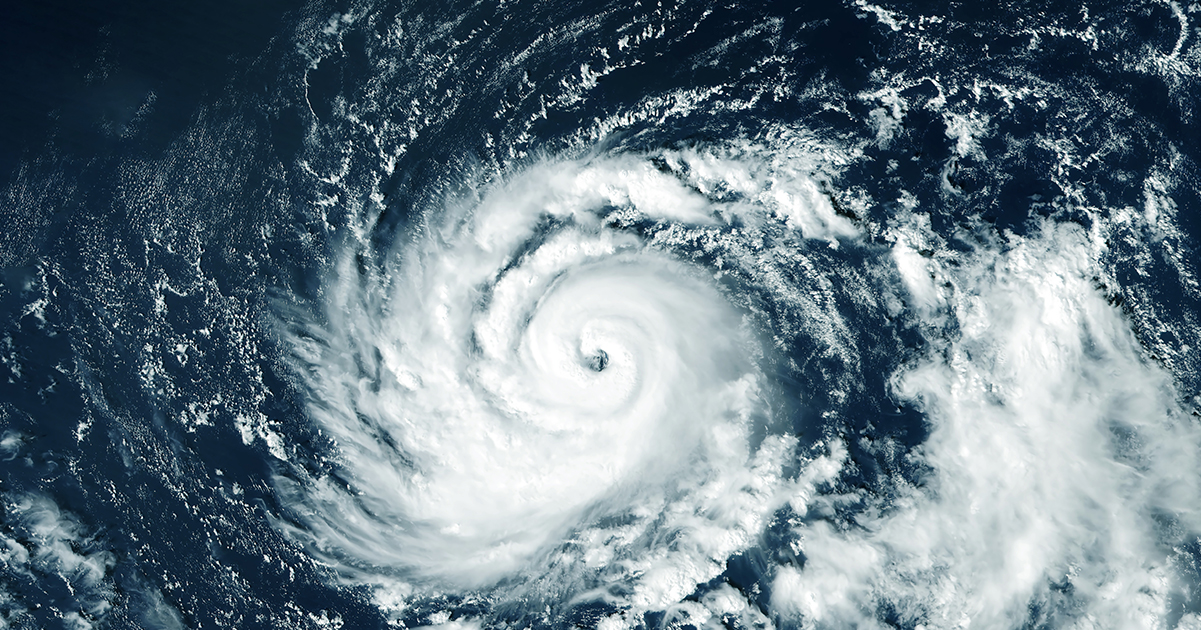
Americans are being warned to prepare as early forecasts for the 2026 Atlantic hurricane season highlight the continued risk of deadly storms slamming “South Texas all the way to Maine.”
While forecasters expect the 2026 Atlantic hurricane season to fall near or slightly below historical averages, meteorologists caution that a single powerful system can still cause devastating consequences for families and infrastructure along the U.S. coastline.
2025 hurricane season
Recent hurricane seasons have demonstrated how quickly forecasts can shift and how even a small number of major storms can leave lasting damage.
In 2025, forecasters initially predicted the Atlantic could produce as many as 19 named storms, including 10 strong enough to reach hurricane status. However, only five ultimately developed into hurricanes, highlighting how environmental conditions can evolve throughout the season.
Despite the lower-than-expected numbers, several storms still intensified significantly.
Erin, Humberto and Melissa reached Category 5 strength, making the 2025 season one of the most intense in recent years for the highest-strength storms.
Before 2025, the only Atlantic hurricane season to generate at least three Category 5 storms was the devastating 2005 season, when Emily, Rita, Wilma and Katrina – that killed more than 1,400 – each reached the highest possible intensity, setting the record for the most Category 5 hurricanes in one year.
Category 5
According to the National Hurricane Center (NHC), Category 5 means “Catastrophic damage will occur.”
“A high percentage of framed homes will be destroyed, with total roof failure and wall collapse. Fallen trees and power poles will isolate residential areas. Power outages will last for weeks to possibly months. Most of the area will be uninhabitable for weeks or months,” the NHC reports.
Multiple storms predicted to slam US coastlines
Conditions between June 1 and November 30 typically create an environment where tropical systems can strengthen rapidly, particularly when sea surface temperatures remain above average.
For 2026, meteorologists at AccuWeather predict that between 11 and 16 named storms could develop during the Atlantic hurricane season, with several systems expected to strengthen into major hurricanes.
Forecasters warn that up to five storms could make landfall along the East Coast or Gulf states, areas that frequently experience the greatest hurricane impacts due to their proximity to warm ocean waters that fuel storm growth.
“Water temperatures across much of the Gulf, Caribbean and Atlantic are forecast to reach exceptionally warm levels again this summer. That heat extends hundreds of feet below the surface, providing additional fuel for storms,” AccuWeather Lead Hurricane Expert Alex DaSilva said. “As a result, we are very concerned about the risk of rapid intensification this hurricane season.”
Storms quickly “spin up”
“It’s very important that everybody from South Texas all the way to Maine prepares equally for each and every hurricane season, regardless of the forecast,” DaSilva said, urging coastal residents to prepare long before the first storm forms. “Even if it’s expected to be a slightly below average hurricane season, we can still see major hits across the United States.”
DaSilva also warned about the growing risk of storms intensifying quickly close to shore.
“Storms that form within a few hundred miles of the coast can leave people, businesses, and officials with less time to prepare and evacuate,” he explained.
“These ‘homegrown development’ storms that spin up near the U.S. coast can pose bigger threats with a lot less time to react, compared to storms that form off the coast of Africa and take a week or more to trek across the open Atlantic.”
‘No reason to let your guard down’
Though the 2026 season is currently projected to fall slightly below the 10-year average for total storms, meteorologists stress that risk levels remain significant, especially for states frequently affected by severe weather systems.
Florida, Alabama, Mississippi, Louisiana and Virginia are among the areas that could experience the strongest impacts if storms track toward land, potentially leading to billions of dollars in damage as well as prolonged disruption to daily life.
DaSilva urged residents to review safety plans early and ensure emergency preparations are in place before peak storm activity begins.
“There is no reason to let your guard down this year. It only takes one storm to cause major damage, disruption and heartache. Review your insurance coverage, safety plans, and local evacuation routes now. Make sure your emergency supplies are stocked up,” DaSilva urged.
Meteorologists also point to unusually warm ocean temperatures as a factor that can increase the likelihood of rapid storm intensification, making preparedness even more critical.
What steps do you take to prepare for hurricane season? Let us know in the comments and share this story so others can also be prepared!
READ MORE
- Heartbreaking final words from 25-year-old woman before being euthanized
- Mom of 4 carried away by hurricane in front of her family