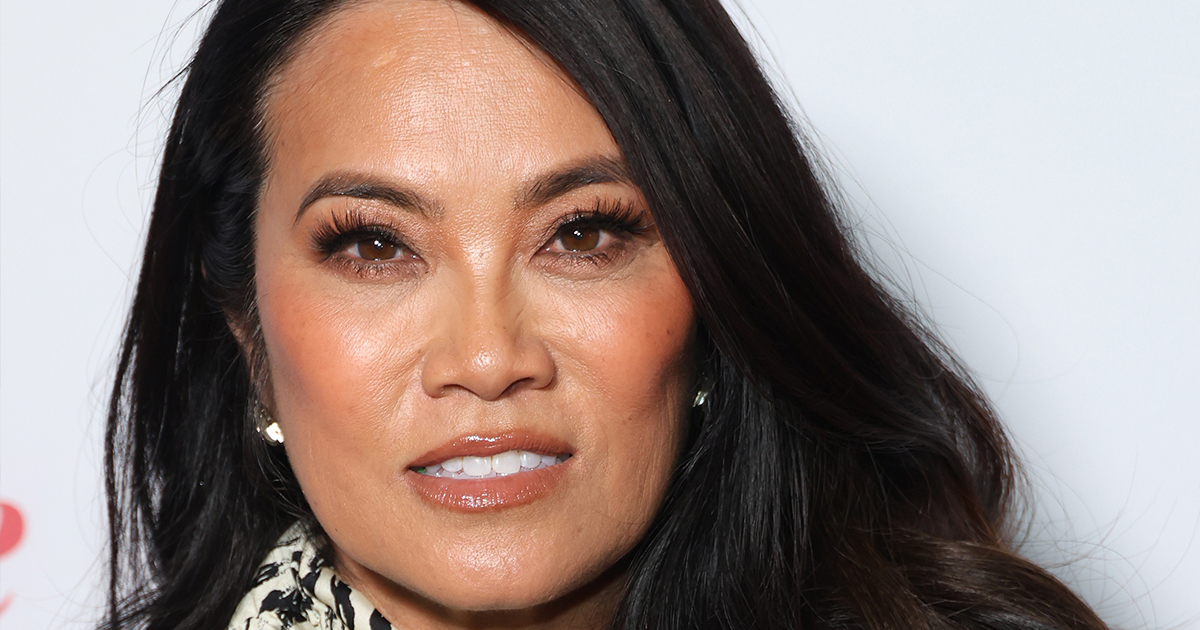
Sandra Lee — best known for her hit show Dr. Pimple Popper — was rushed to hospital after suffering a stroke while filming her series.
She is now choosing to speak publicly about the life-changing experience, using her story as a powerful reminder that strokes can happen suddenly — and that recognizing the warning signs early can save lives.
The dermatologist, widely known as Sandra Lee or “Dr. Pimple Popper,” revealed that she suffered a stroke last November while filming the second season of her Lifetime series.
Lee, 55 — who first rose to TV fame after partnering with TLC in 2018 — said she initially dismissed the early symptoms as a simple hot flash before being taken to the hospital.
After wrapping up filming for the day, she went to stay at her parents’ home, but her condition began to worsen there as more serious symptoms started to appear.
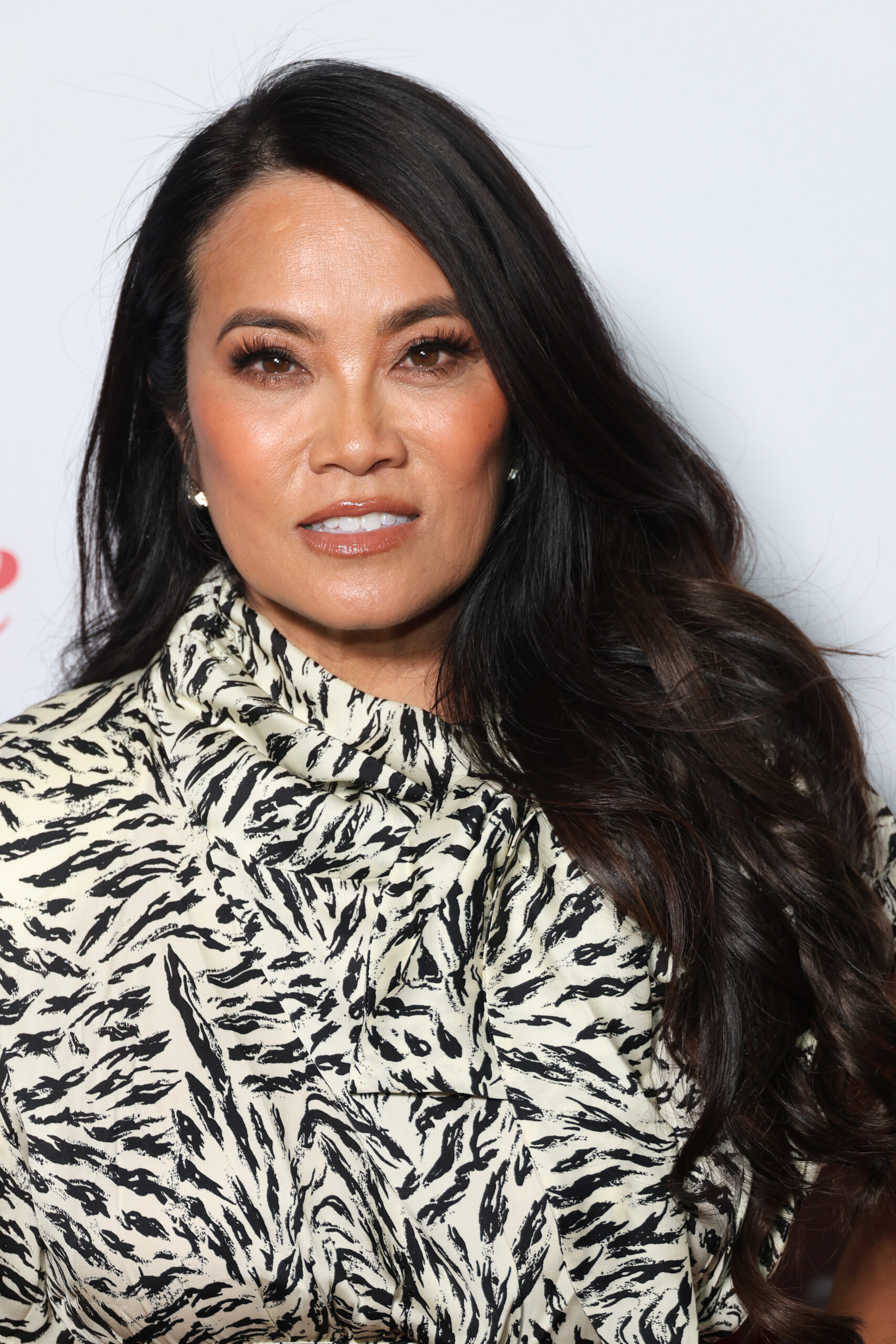
She began experiencing weakness on one side of her body, difficulty speaking, and trouble walking — all classic warning signs of a stroke.
”I just felt very restless. In one leg I kept feeling shooting pains,” she told People.
Doctors later confirmed she had suffered an ischemic stroke, a serious condition caused by a blockage cutting off blood flow to part of the brain.
‘It was just a shock. As a physician I couldn’t deny that I had slurred speech, that I was having weakness on one side, but I was like, “Well, this is a dream, right?”‘ she said.
‘What essentially happened is I had a part of my brain that died.’
The frightening incident forced her to pause filming and focus on recovery, including physical therapy to regain strength and coordination.
Even though the incident happened nearly a year and a half ago, she is still deeply affected by the effects of her stroke, something that became clear in her interview with People.
Can now recognize the risk factors
Today, Sandra Lee says she is highly conscious of every word she speaks.
“I notice it right now that I don’t speak exactly the way I used to,” she said. “You’re really embarrassed to speak because you notice it.”
Looking back, Lee says she can now recognize the risk factors that contributed to her stroke. “My blood pressure and my cholesterol were not under control, and I have a lot of stress in my life, dealing with my patients and the show,” she explained, adding that the experience has also given her new perspective.
“I want to think about it as a blessing in disguise. Because it reminds you to take better care of yourself.”
Her experience is also serving as an important reminder: strokes can happen suddenly — and recognizing the signs early can save your life.
”Women more frequently have…”
According to American Heart Association, stroke is one of the leading causes of death and long-term disability in the United States, with women accounting for nearly 60% of all stroke-related deaths.
Why this happens is not fully simple. Experts say that in some cases, women may experience symptoms that are more subtle or easily overlooked in the midst of everyday responsibilities, which can delay urgent, time-sensitive treatment.
Both men and women commonly experience stroke symptoms that can be remembered with the acronym F.A.S.T.: face drooping, arm weakness, speech difficulty, and time to call 911. Other warning signs can include vision problems in one or both eyes, as well as issues with balance and coordination.
However, some women may also experience less obvious symptoms that are easier to dismiss or hesitate to report.
”Women more frequently have atypical, vague symptoms. They might start with fatigue, confusion or maybe general weakness, as opposed to weakness on one side of the body,” says Dr. Pooja Khatri, a neurology professor at the University of Cincinnati.
5 stroke signs every woman should know
1. Fatigue
Sudden, unexplained fatigue or a feeling of overall weakness can signal a stroke in women.
2. General weakness
You may feel weakness or numbness in one arm and struggle to lift it. Women having a stroke might also feel overall weakness.
3. Speech difficulties
Slurred speech, confusion, or trouble finding the right words can be early warning signs.
4. Sudden numbness or pain (especially one side)
As in Lee’s case, unusual sensations like shooting pain or numbness — particularly on one side of the body — shouldn’t be ignored.
5. Loss of coordination or balance
Difficulty walking, dizziness, or a sudden loss of balance can signal something serious.
A wake-up call
Since the incident, Sandra Lee has spoken openly about her recovery and the emotional impact it has had on her life. She is, of course, not alone in this experience, and many people know someone who has suffered a stroke or, in the worst cases, passed away from one.
That is why it is so important to continue spreading awareness of the warning signs. Even if many people have heard them before, it helps keep the information fresh in mind. It can be easy to dismiss certain symptoms as something minor or unrelated to a stroke, which is why staying aware is so important.
Her message is simple but powerful: listen to your body, don’t ignore unusual symptoms, and never hesitate to seek medical help.
By sharing her story, she hopes to raise awareness — and potentially save lives.
READ MORE
- Erika Kirk breaks silence after canceling high-profile event with JD Vance
- JD Vance issues grim 2-word warning to Pope Leo