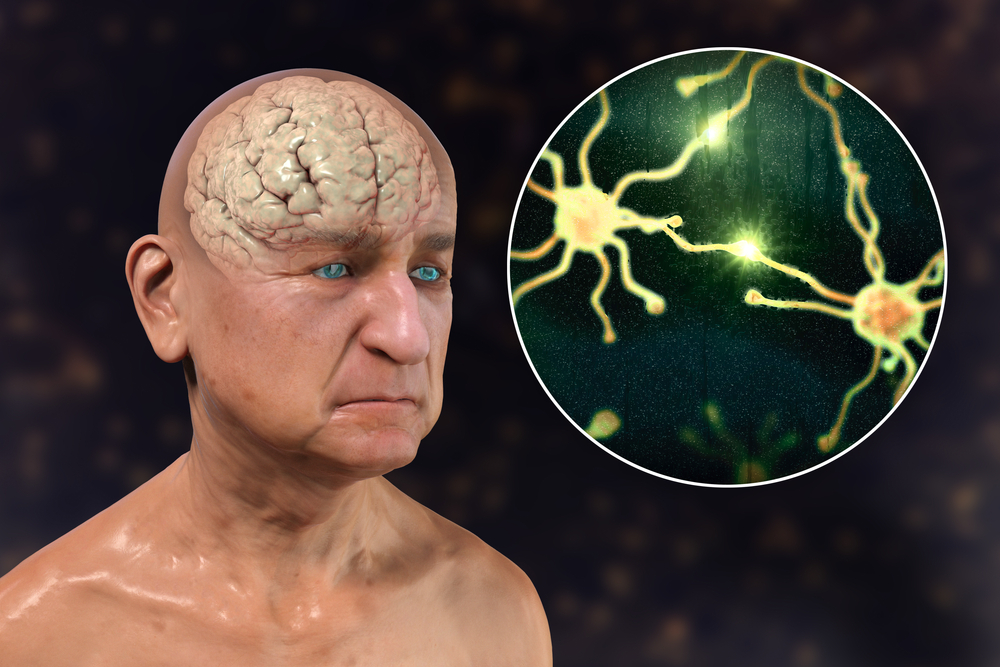
Dementia and Alzheimer’s disease are devastating conditions — not only for those diagnosed, but also for their loved ones.
Early detection may not always lead to a cure, but it is still important in many ways.
It can make a meaningful difference by enabling treatments that help manage symptoms, improving access to support, and allowing individuals and families to plan more effectively for the future.
One of the biggest challenges
Dementia is not a single disease but a broad term for a group of conditions that gradually impair memory, thinking, and the ability to manage everyday life.
Although dementia is more common among older adults, it is not a normal part of aging. It affects more than 6 million Americans and accounts for more than 100,000 deaths each year.
One of the biggest challenges with dementia is its gradual onset. Early symptoms are often subtle and easily dismissed as stress, fatigue, or typical forgetfulness associated with aging. However, identifying these early changes can significantly improve a person’s quality of life.
Based on current clinical knowledge and medical recommendations, here are some of the earliest warning signs of dementia:
Memory loss that disrupts daily life
One of the clearest early signs is memory loss that interferes with everyday functioning.
This goes beyond occasionally misplacing items and includes difficulty remembering recent conversations or events, repeating questions, and relying heavily on notes or family members.
As noted by The Alzheimer’s Association, forgetting short-term information is often among the first indicators of Alzheimer’s disease.
Difficulty planning and problem-solving
Dementia can affect the brain’s ability to organize and manage tasks. People may struggle to follow familiar instructions, handle finances, or stay focused on routine activities. These issues are linked to changes in key brain regions responsible for executive function.
Confusion about time or place
Early on, individuals may lose track of dates, seasons, or the passage of time. They might also feel disoriented, even in familiar environments such as their own home. This type of confusion is a classic diagnostic feature.
Problems with visual and spatial understanding
Some individuals experience difficulty judging distances, reading, or recognizing faces and objects. These changes in visual processing can increase risks in daily activities like driving. Research from the National Institute on Aging suggests that such impairments can appear relatively early in certain forms of dementia.
Language and communication difficulties
Finding the right words can become challenging. A person might rename familiar objects (for example, calling a watch a “hand-clock”), repeat themselves, or struggle to complete sentences. These difficulties are often subtle at first but become more noticeable over time.
Misplacing items and inability to retrace steps
Poor judgment and decision-making
Dementia can impair reasoning and judgment. This may show up as risky financial behavior, neglect of personal hygiene, or an inability to recognize dangerous situations.
Withdrawal from social or work activities
People in the early stages may begin to withdraw from hobbies, social events, or conversations. While this can resemble depression, it may also reflect frustration or stress caused by cognitive decline.
Changes in mood or personality
Shifts in behavior can include increased anxiety, suspicion, irritability, or rapid mood changes. According to the Mayo Clinic, dementia can significantly alter how a person regulates emotions and interacts with others.
Difficulty following conversations or thought processes
Understanding and participating in conversations may become tiring and confusing. Individuals might struggle to follow discussions, especially with multiple speakers, or take longer to respond to simple questions.
What habits you should start
Detecting dementia early can make a meaningful difference. It allows families to begin treatments that may slow symptom progression, plan for the future while the individual can still participate in decisions, adopt brain-healthy lifestyle habits, and explore clinical trials or support networks. While there is currently no cure for most forms of dementia, early intervention can greatly improve daily life.
Living with Alzheimer’s or dementia is challenging not only for those diagnosed but also for their loved ones. Watching someone gradually lose memories and independence is deeply painful, and many families know this experience firsthand.
Despite this, there is reason for hope. Medical research continues to advance, and future breakthroughs remain possible. In the meantime, certain lifestyle habits may help support brain health and potentially reduce risk:
- Quit smoking
Smoking affects not only physical health but also brain function. Research suggests smokers have a significantly higher risk of developing Alzheimer’s disease. - Maintain adequate vitamin B12 levels
Low levels of vitamin B12 have been linked to cognitive decline. Including foods like eggs, fish, seafood, and meat can help maintain healthy levels. - Stay physically active
Regular exercise, such as 30 minutes a day, supports both body and brain health and may lower the risk of dementia. - Ensure sufficient vitamin D
Vitamin D deficiency has been associated with increased Alzheimer’s risk. Sunlight exposure and supplements can help maintain healthy levels. - Drink coffee in moderation
Coffee contains antioxidants and has been linked in some studies to a lower risk of Alzheimer’s disease. - Protect your head
Head injuries may increase the likelihood of developing dementia later in life. Wearing helmets during activities like cycling is essential. - Limit alcohol consumption
Excessive alcohol use can impair brain function and increase dementia risk. Moderate consumption is key. - Keep your brain engaged
Activities like reading, puzzles, and learning new skills help stimulate the brain and support memory. - Prioritize rest and stress management
Chronic stress and lack of sleep can negatively affect cognitive health. Regular rest and relaxation are important for both brain and body.
While no strategy guarantees prevention, these habits can support overall brain health and resilience — so it certainly doesn’t hurt to give them a try.
If you found this useful, please share this article with your family and friends.
READ MORE
- How your bowel movements can signal colon cancer
- Vets reveal very last thing all pets do before being put down and it’s heartbreaking