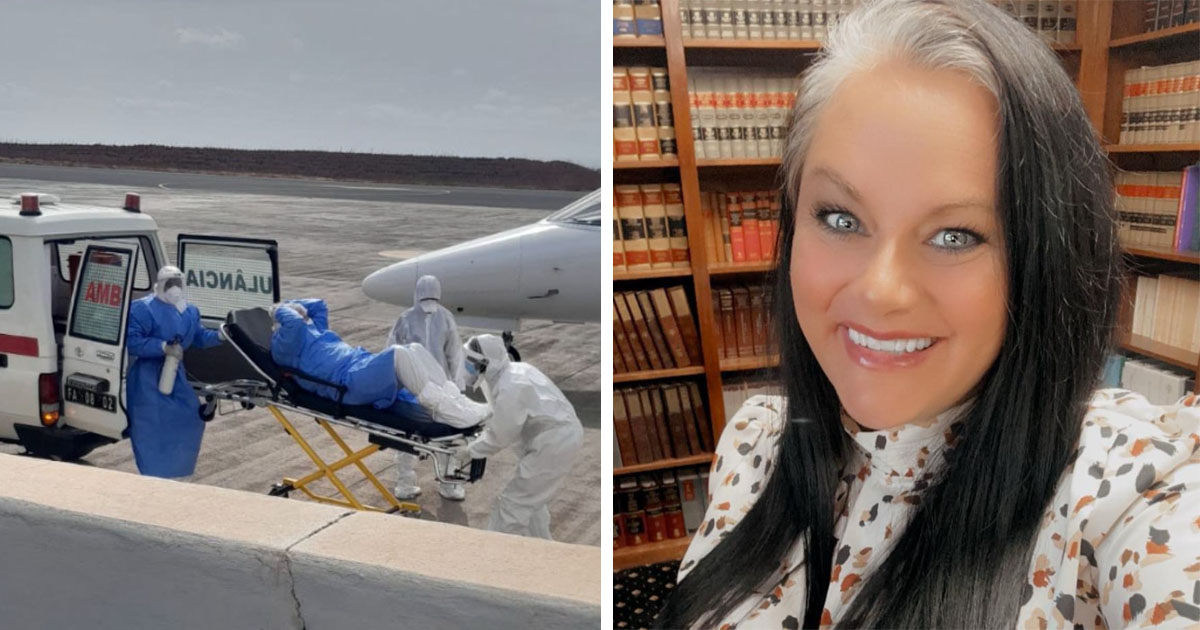
Mary Stanley, 43, from Norman, Oklahoma, contracted hantavirus in May 2025. As the hantavirus outbreak aboard the cruise ship MV Hondius continues drawing widespread attention, she is now sharing the terrifying symptoms she experienced.
Passengers aboard the MV Hondius have now been evacuated following the serious hantavirus outbreak. On Sunday, passengers began being flown home from Tenerife on military and government-chartered flights.
Tedros Adhanom Ghebreyesus, Director-General of the World Health Organization, issued a statement on Saturday directly addressing the people of Tenerife, saying: “The virus aboard the MV Hondius is the Andes strain of hantavirus. It is serious. Three people have lost their lives, and our hearts go out to their families. The risk to you, living your daily life in Tenerife, is low. This is the WHO’s assessment, and we do not make it lightly.”
How is the hantavirus typically transmitted?
He also stressed that this is not the beginning of another COVID pandemic, saying: “This is not another COVID. The current public health risk from hantavirus remains low. My colleagues and I have said this unequivocally, and I will say it again to you now.”
But even as health officials continue reassuring the public that the virus is different, some people remain worried it could spread further.
Hantavirus is typically transmitted through exposure to rodents, including contact with urine, feces, saliva, or airborne particles from dried droppings. According to the WHO, “HCPS has a high case fatality rate, commonly between 20% and 40%, making it a disease of major public health concern.”
Infectious disease specialist and global health researcher Dr. Alexandra Wharton-Smith said: “Hantavirus is transmitted through exposure to infected rodents and their fluids and/or droppings. With the Andes strain of hantavirus, human-to-human transmission is possible through close contact and fluids of infected people, but currently there are only a handful of cases and they are being closely tracked and receiving care,” in an interview with UNILAD.
Hantavirus symptoms
Mary Stanley tested positive for hantavirus in 2025 after what she suspects was exposure to rodent droppings inside an air-conditioning unit at her office. Speaking to The U.S. Sun, she described the frightening experience.
In the interview, she admitted she feared for her life: “I wasn’t sure if I was going to get worse and die, but I tried to keep healing my lungs,” she said, according to VT.
Stanley continued: “The worst part was the pressure on my lungs. It felt like someone was standing on my chest constantly.
“The cough was horrific. I was also really worried I was going to give it to my kids.”
Along with the intense coughing, she said she also experienced “body aches, chills and was sweating all day.”
It took around 10 days for her to develop symptoms, which at first appeared to be an upper respiratory infection. But her condition rapidly worsened, leaving her struggling to breathe and completely exhausted.
Comparing it to COVID – which she has also had – Stanley said hantavirus was “a lot worse.”
Even after her symptoms eventually started easing, the recovery process was long.
“It took about four weeks for symptoms to resolve,” Mary said. “I had shortness of breath for around six months.”
READ MORE
- Iran issues chilling message to Karoline Leavitt after she announces birth of daughter
- CDC issues new health alert – reveals whether hantavirus could become a pandemic as fears grow